The vision!

To create the backbone of an ecological network, running from the Barents to the Black Sea that is a global symbol for transboundary cooperation in nature conservation and sustainable development.

Borders separate. Nature unites!

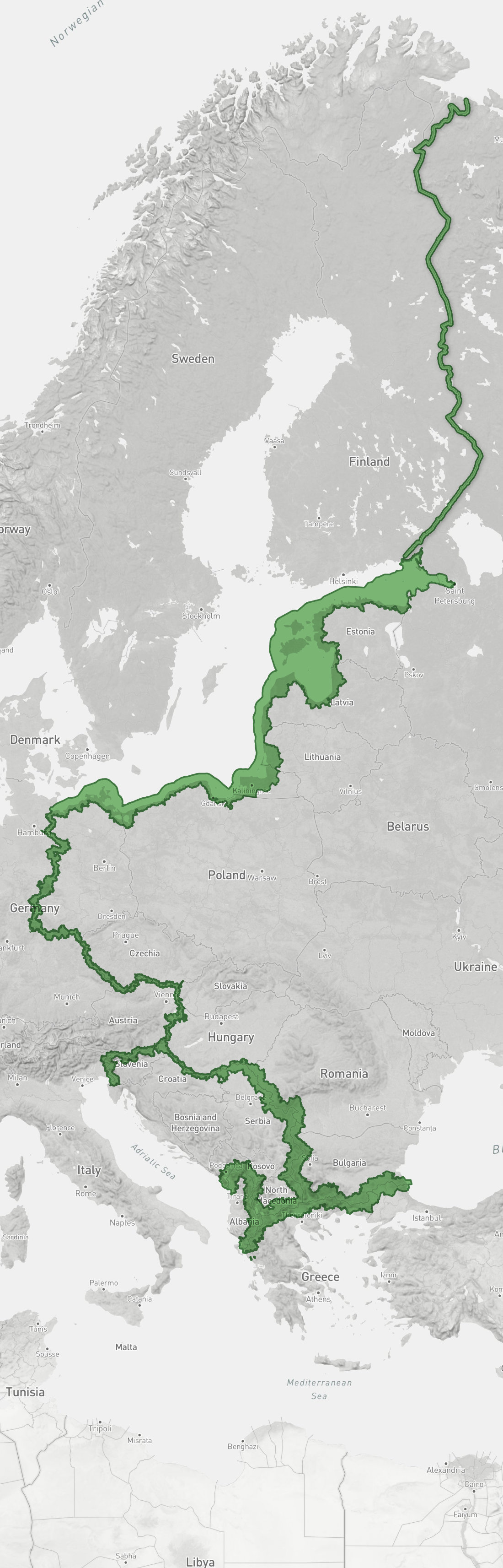
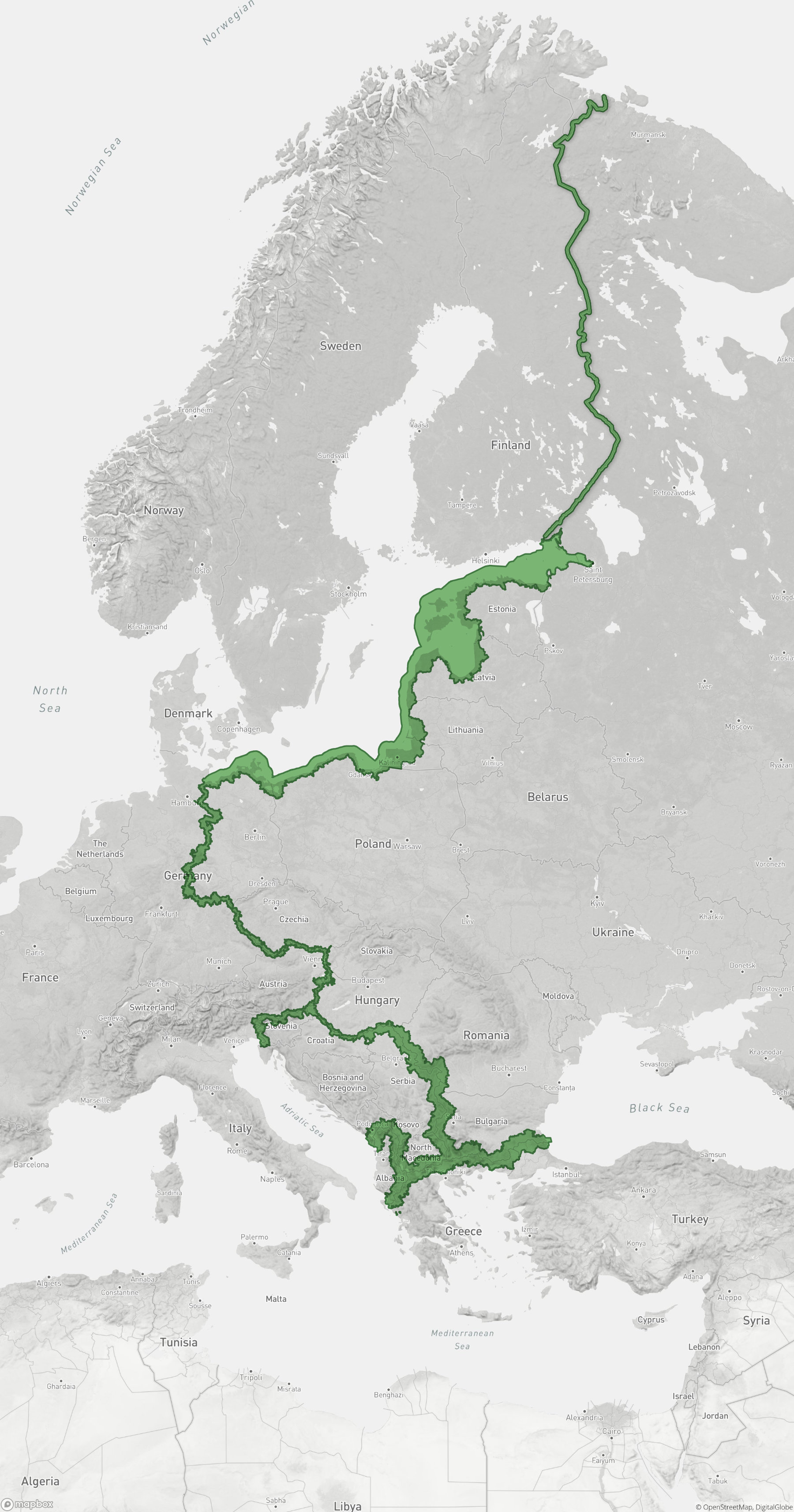
Along the former Iron Curtain, which separated the European continent in East and West for nearly 40 years, an outstanding ecological network and living memorial landscape developed. Despite its inhu­manity, the border zone granted nature a pause for breath along more than 12,500 kilometers from the Barents Sea at the Rus­sian-Norwegian border, along the Baltic Coast, through Central Europe and the Balkans to the Black Sea. Unwittingly the once-divided Europe supported the con­servation and development of valuable habitats. The bor­der area served as a retreat for many endangered species. Already in the 1970ies conservationists in several areas of Europe drew their attention to the flourishing nature and wildlife proliferated undisturbed.

The establishment of the European Green Belt Initiative in 2003 was a merging of different existing regional initiatives to one European initiative. Today the Green Belt connects 24 coun­tries, is a backbone of a Pan-European ecological network and renders a significant contribution to the European ‘Green Infrastructure’. It is a symbol for transboundary coopera­tion and a common European natural and cultural heritage. The outstanding importance of the ecological corridor is apparent: 40 national parks are situated directly along the European Green Belt. More than 3,200 protected nature areas can be found within a 50 kilometers buffer on either side of the Green Belt. It crosses nearly all European bio-geographical regions.