Association
The European Green Belt Association
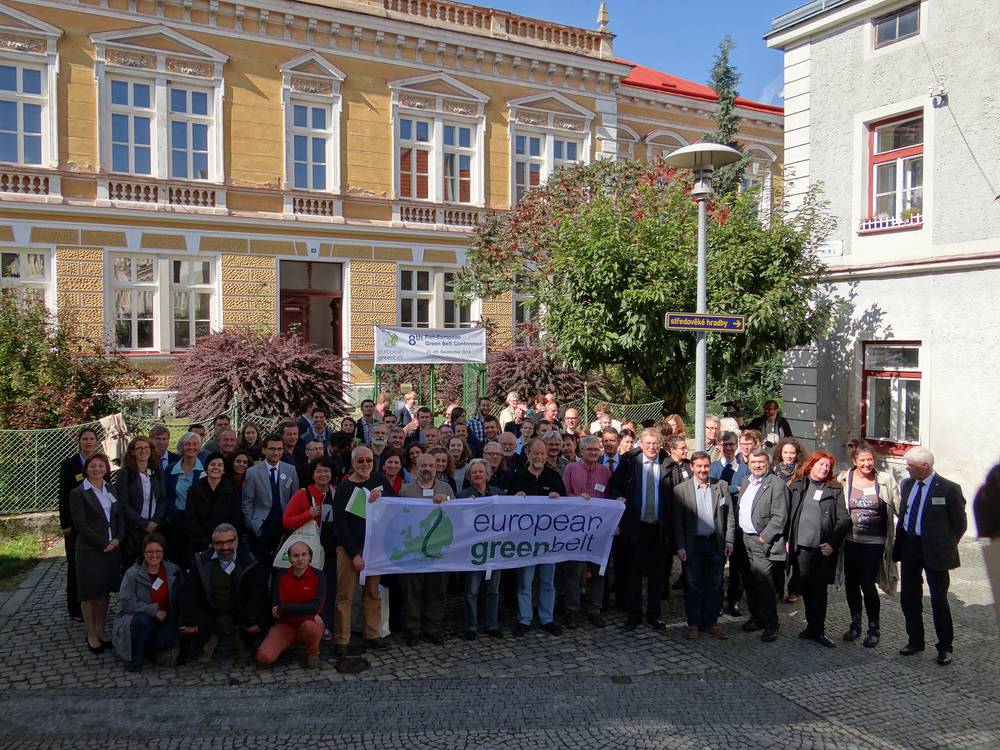
The European Green Belt Association e.V. is the governance organ of the European Green Belt Initiative. The Association was founded 2014 at the 8th Pan-European Green Belt Conference, when 23 organisations from 14 countries—both governmental and non-governmental—came together. The decision to form an association was made because it best reflects the spirit of the European Green Belt: member-led, democratic, and built on cooperation. Today, the European Green Belt Association has 35 members from 17 countries.
According to its own statutes, the European Green Belt Association aims to support the implementation of the European Green Belt Initiative's vision: conserving and restoring the European Green Belt as shared European natural and cultural heritage, and as an ecological network linking high-quality natural and cultural landscapes across Europe.
The Association's mission is therefore to ensure the effective protection of the European Green Belt and promote its sustainable development by facilitating continuous, coordinated transboundary cooperation at all levels and across all sectors of society. Furthermore, it creates a space for learning and exchange between partners along the entire length of the European Green Belt, and communicates important achievements to various EU bodies, countries, potential donors, and regional and global networks.
Programme of Work
The Programme of Work defines the Association's priorities for a period of two years. It is adopted by the members during the bi-annual General Assembly. The activities of the European Green Belt Association are aimed at the pan-European level in order to improve cooperation across institutional and national boundaries accross the European Green Belt. They include developing conceptual and methodological approaches or developing the European Green Belt into a recognised implementation mechanism for commitments of countries along the European Green Belt, particularly in relation to the implementation of the EU's Natura 2000 network and green infrastructure. The expertise and support of governmental and non-governmental organisations is key to the successful development and implementation of related policies.
Board
The role of the Board is to coordinate the implementation of activities, events and projects defined in the current Programme of Work.
List of the current Board members, elected during the General Assembly on 25 June 2026 (representing a total of 5 organizations):
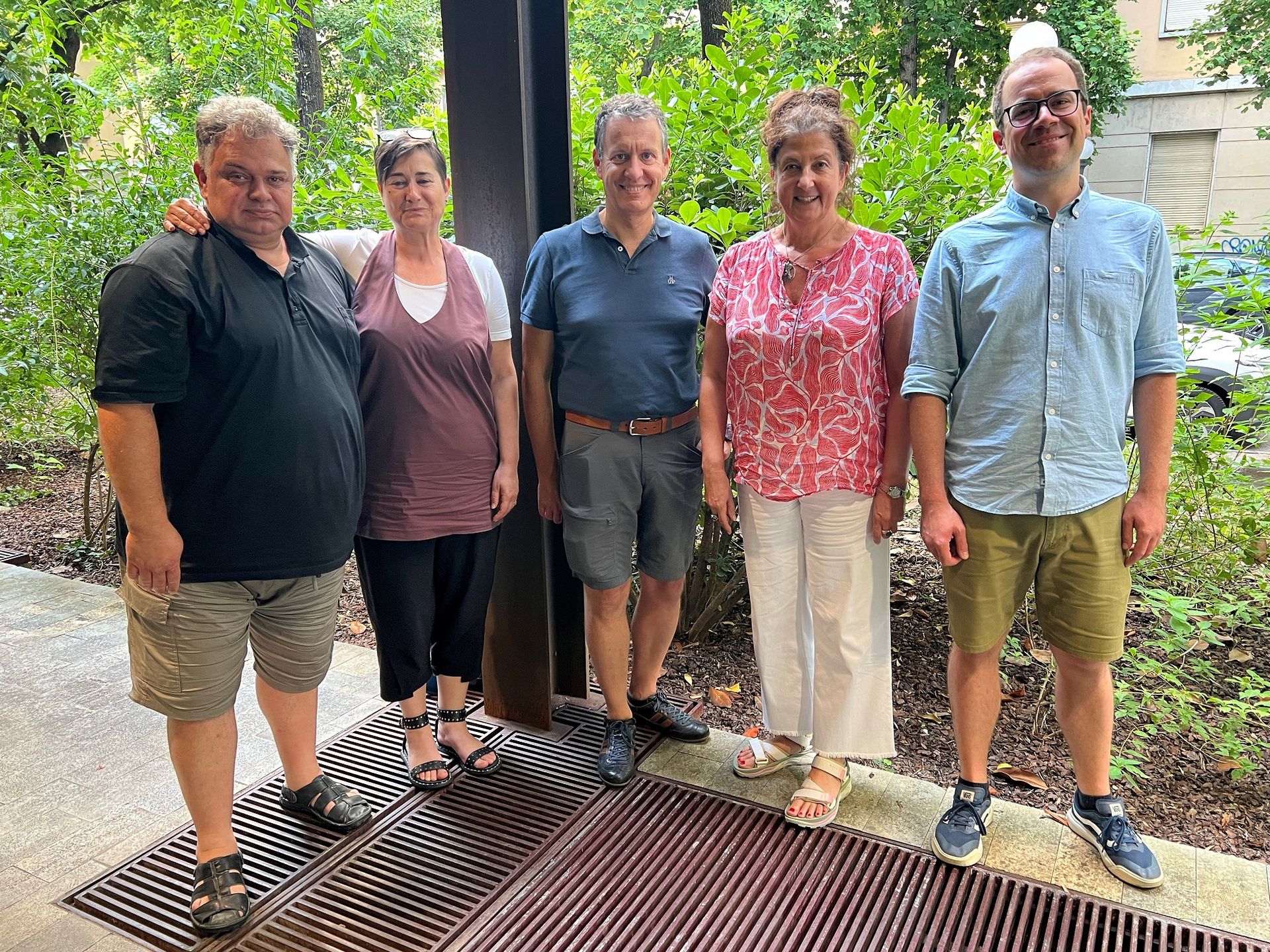
- EuroNatur (Regional Coordinator Balkan Green Belt), Chair
- Bulgarian Biodiversity Foundation (BBF) (Balkan Green Belt), Deputy chair
- BUND, Friends of the Earth (FoE) Germany (Regional Coordinator Central European Green Belt)
- Environment Agency Austria (Central European Green Belt)
- Rete Italiana European Green Belt (Central European Green Belt)
- IUCN (Advisor)