Heavy equipment can help support biodiversity
One wouldn't expect trucks and excavators in a national park, but sometimes even nature needs them.
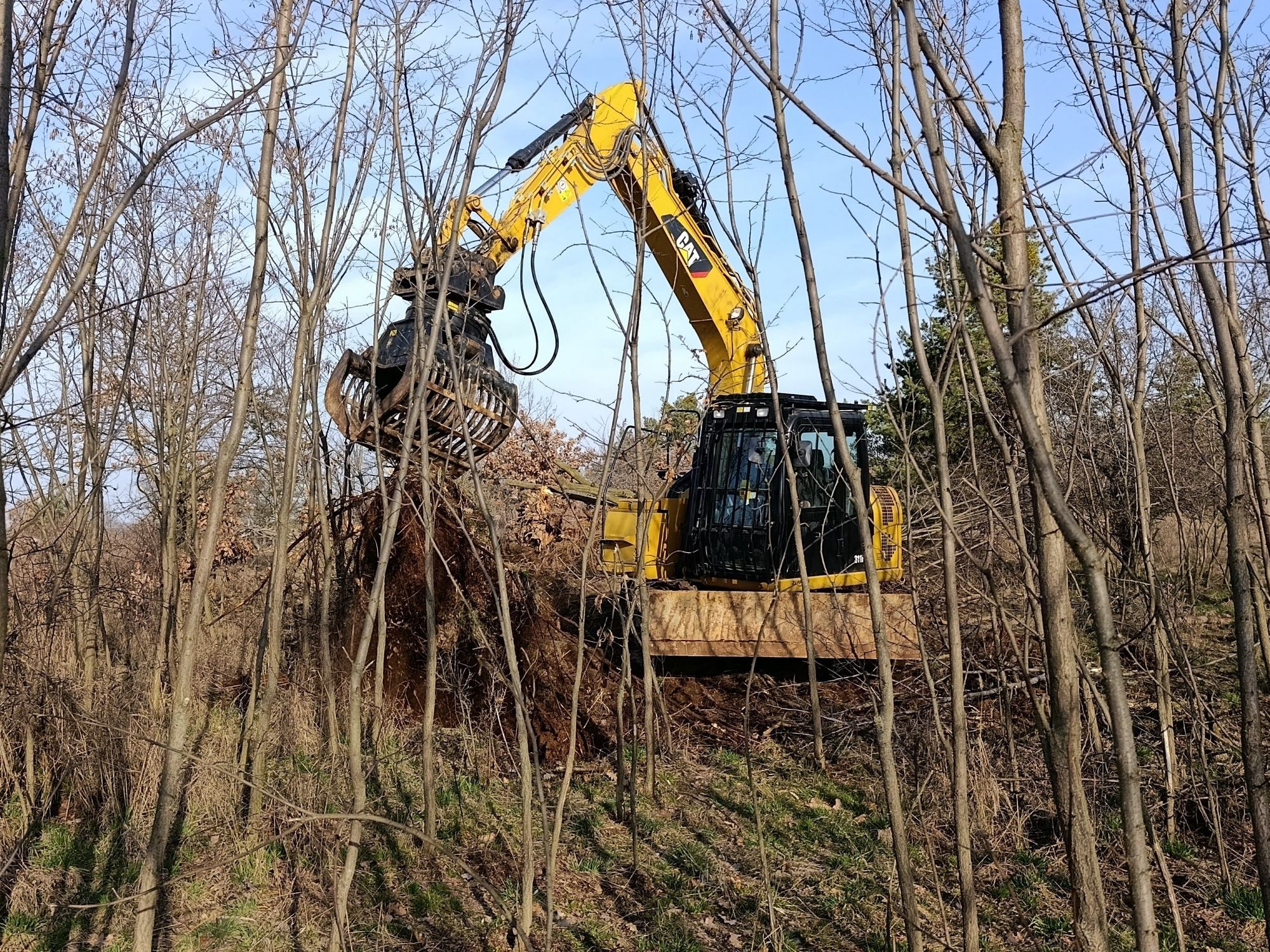
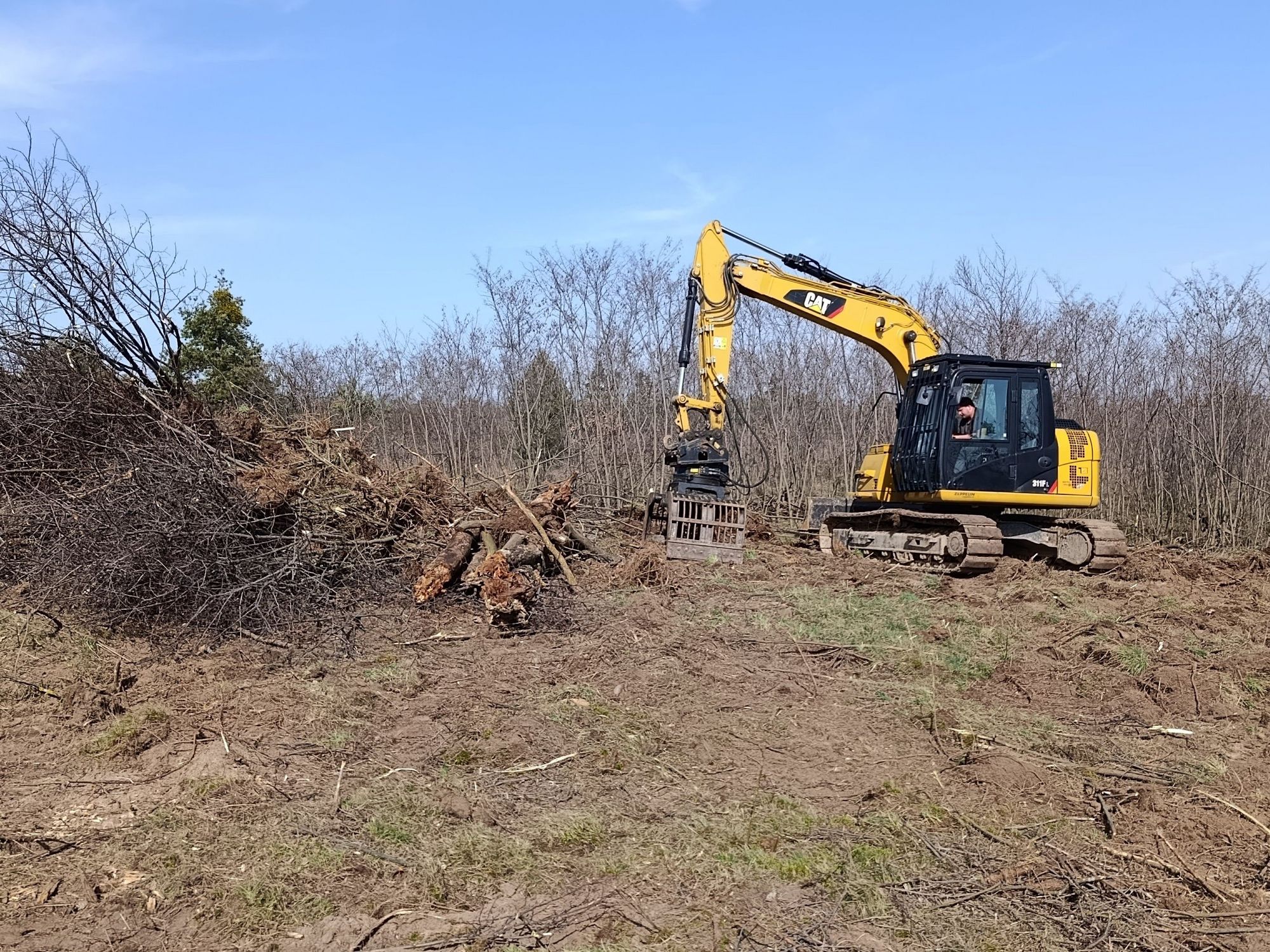
The black locust is a highly resilient invasive tree. The BESTbelt project, ‘Restoration of species-rich grasslands at sites of former Robinia forests’, is helping Podyjí National Park to definitively eliminate Robinia forests in a biologically valuable area within the European Green Belt. In selected nearby areas, seeds of local plant species are collected to replace the black locusts.
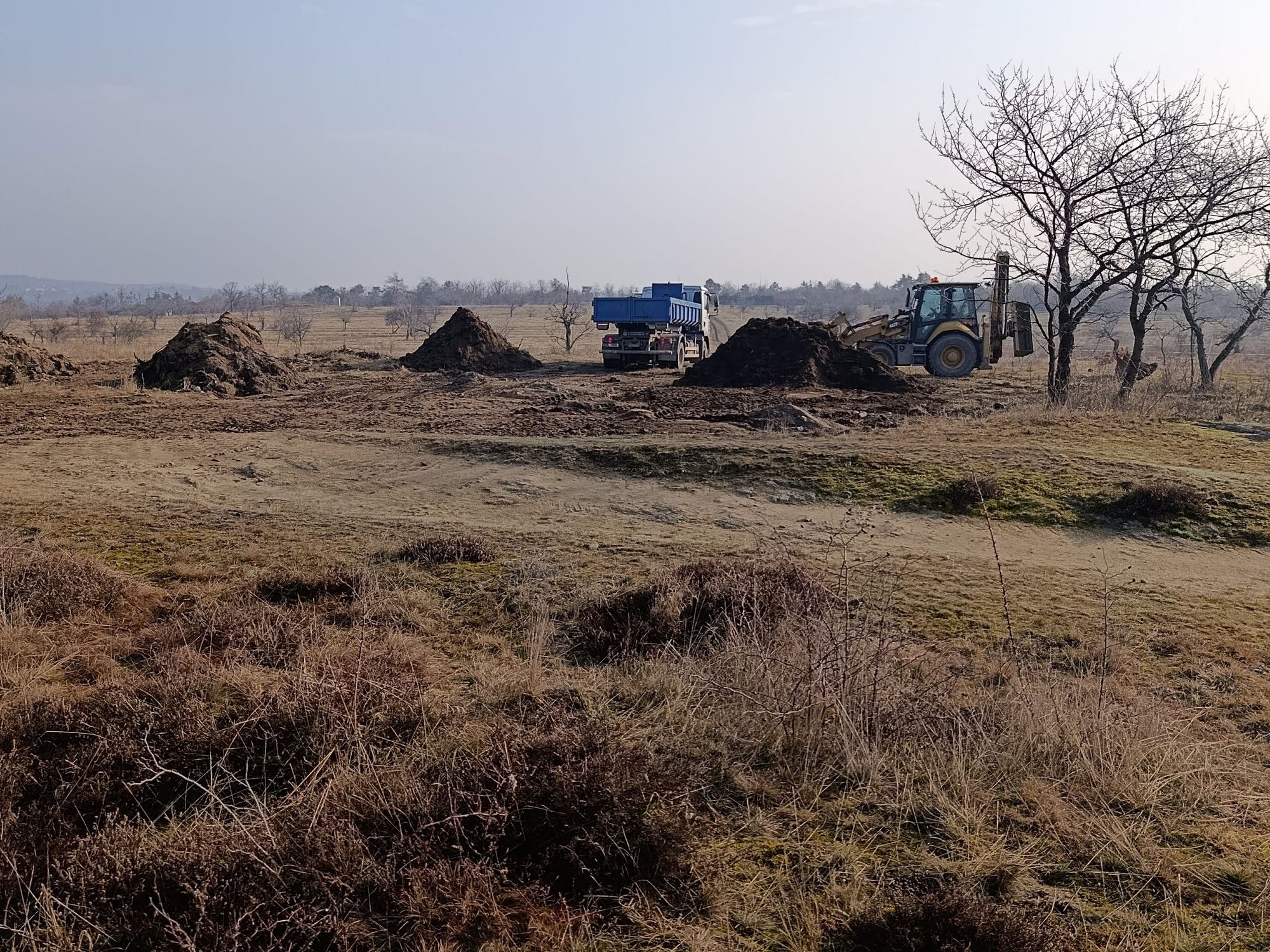
Heavy machinery is needed to completely remove the invasive black locusts and prepare the soil for sowing. Excavators pull out root remains and collect soil. Although it looks drastic and unappealing at the moment, the intervention will pay off in the coming years.
Another big and unexpected positive of this year's work within the BESTbelt project has also emerged! An old, illegal landfill site from the time of the totalitarian regime was discovered in one part of the national park. We have eliminated it, and thanks to our sowing, a flowering grassland will emerge in its place.
The implemented activities are part of the EU-funded BESTbelt project ‘Restoration of species-rich grasslands at sites of former Robinia forests’ which is implemented by the non-profit organization Land Trust Hády in cooperation with the Podyjí National Park from October 2024 to September 2026.
For more information, please contact the lead organization – Land Trust Hády (Pozemkový spolek Hády) – pshady(at)email.cz
You can also visit the project website: https://www.pshhady.cz/bb