
Celebrating Nature and Tradition in Shebenik – Jablanica cross-border region
Background & Location
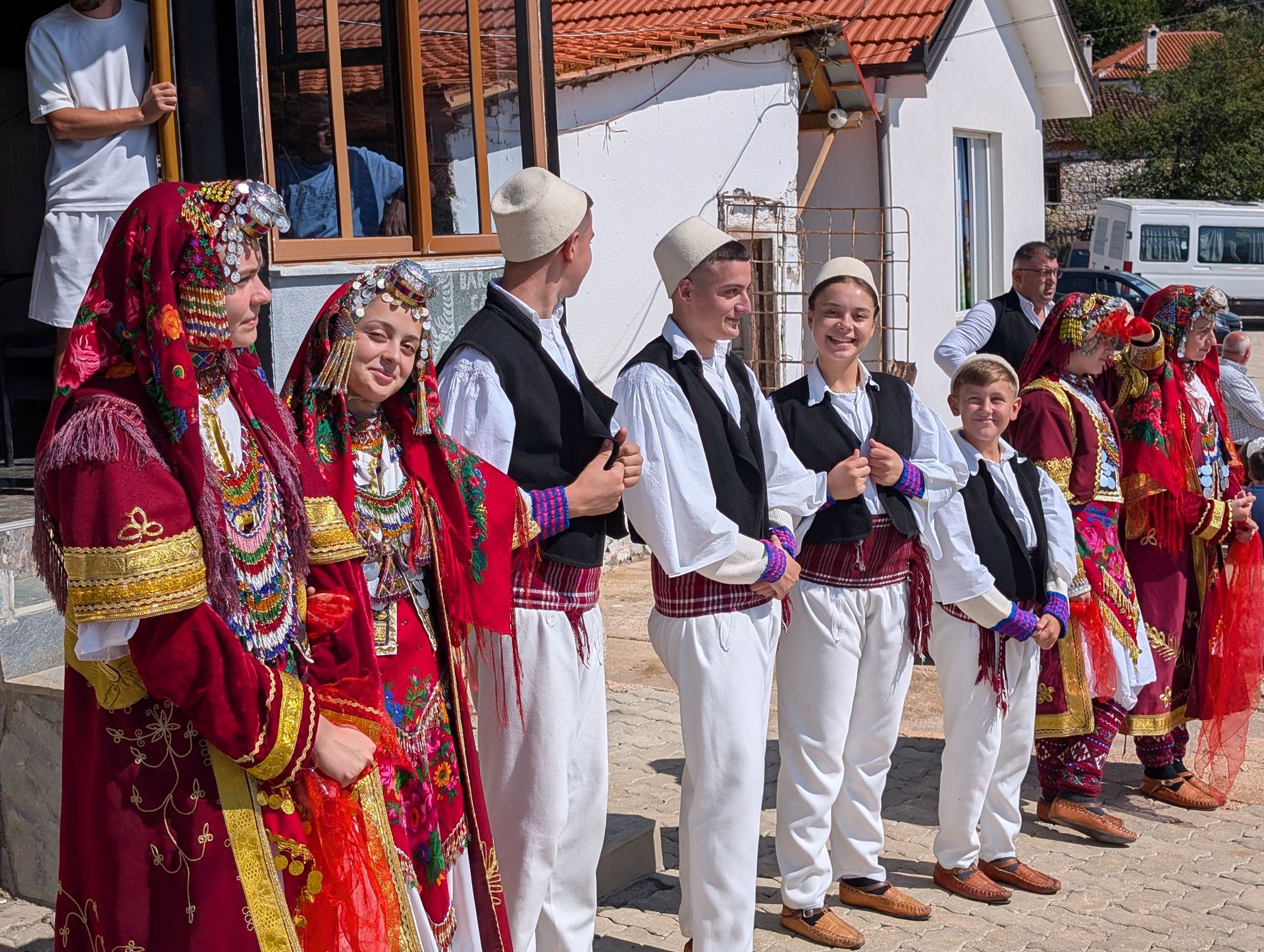
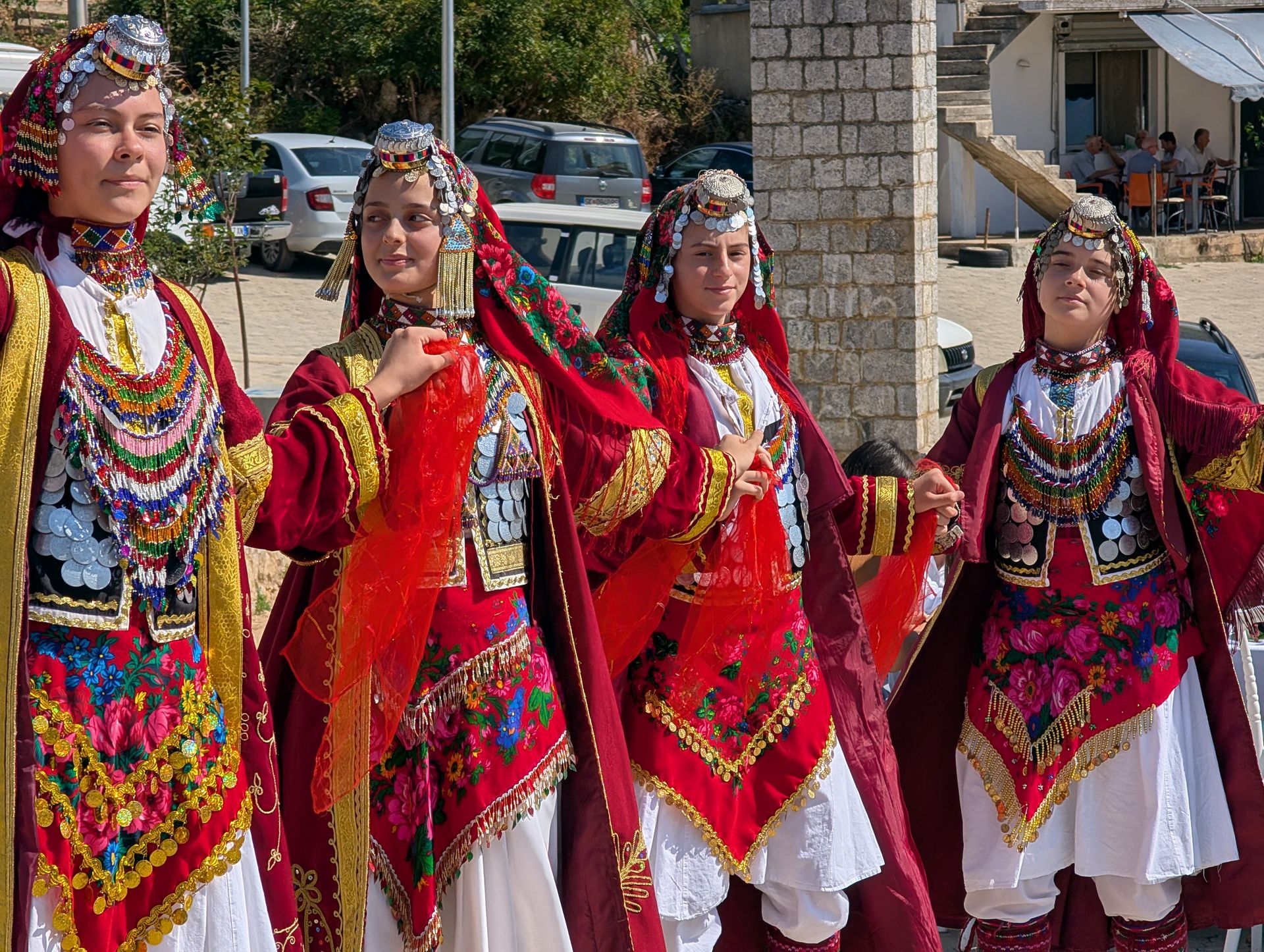
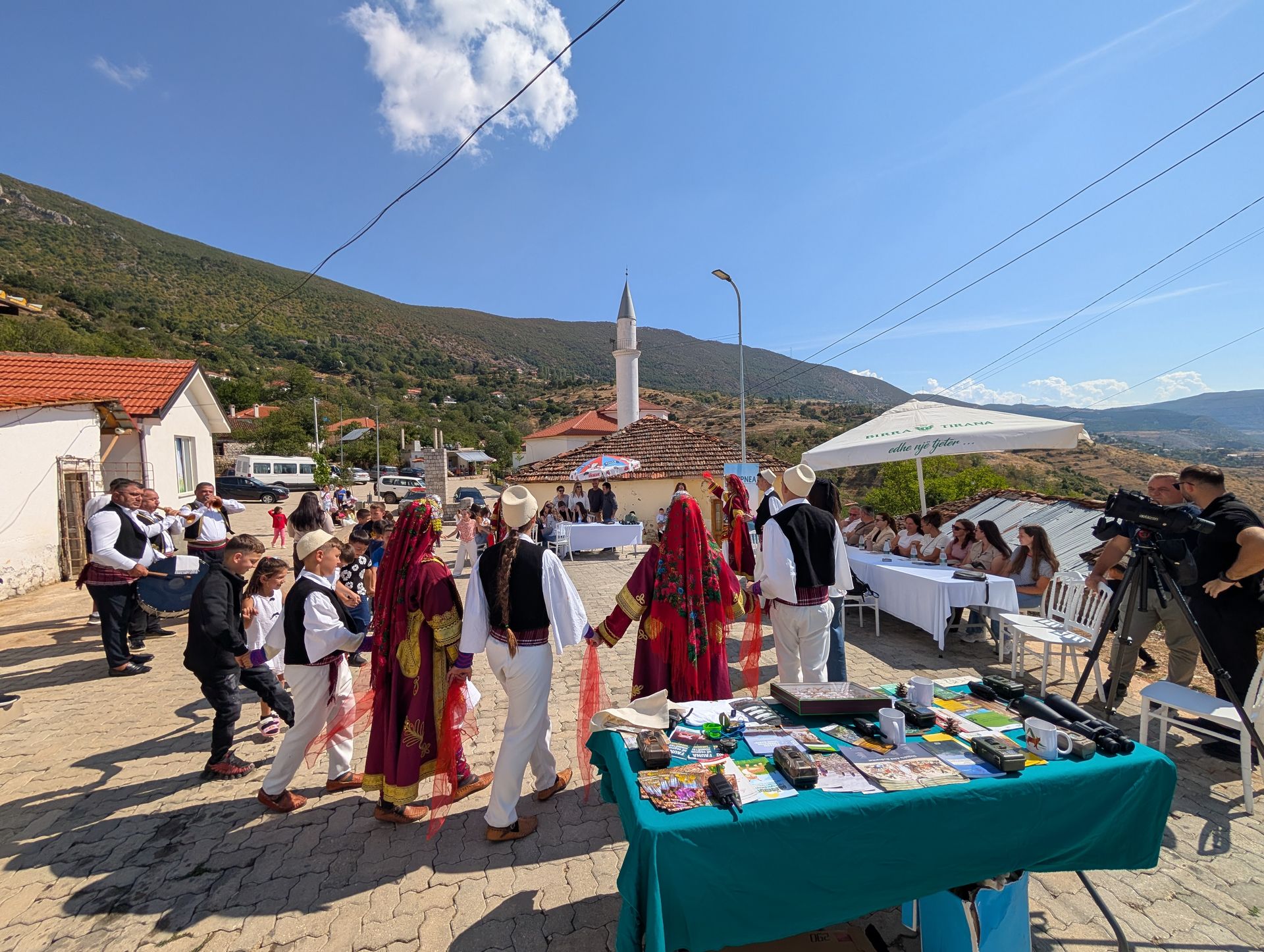
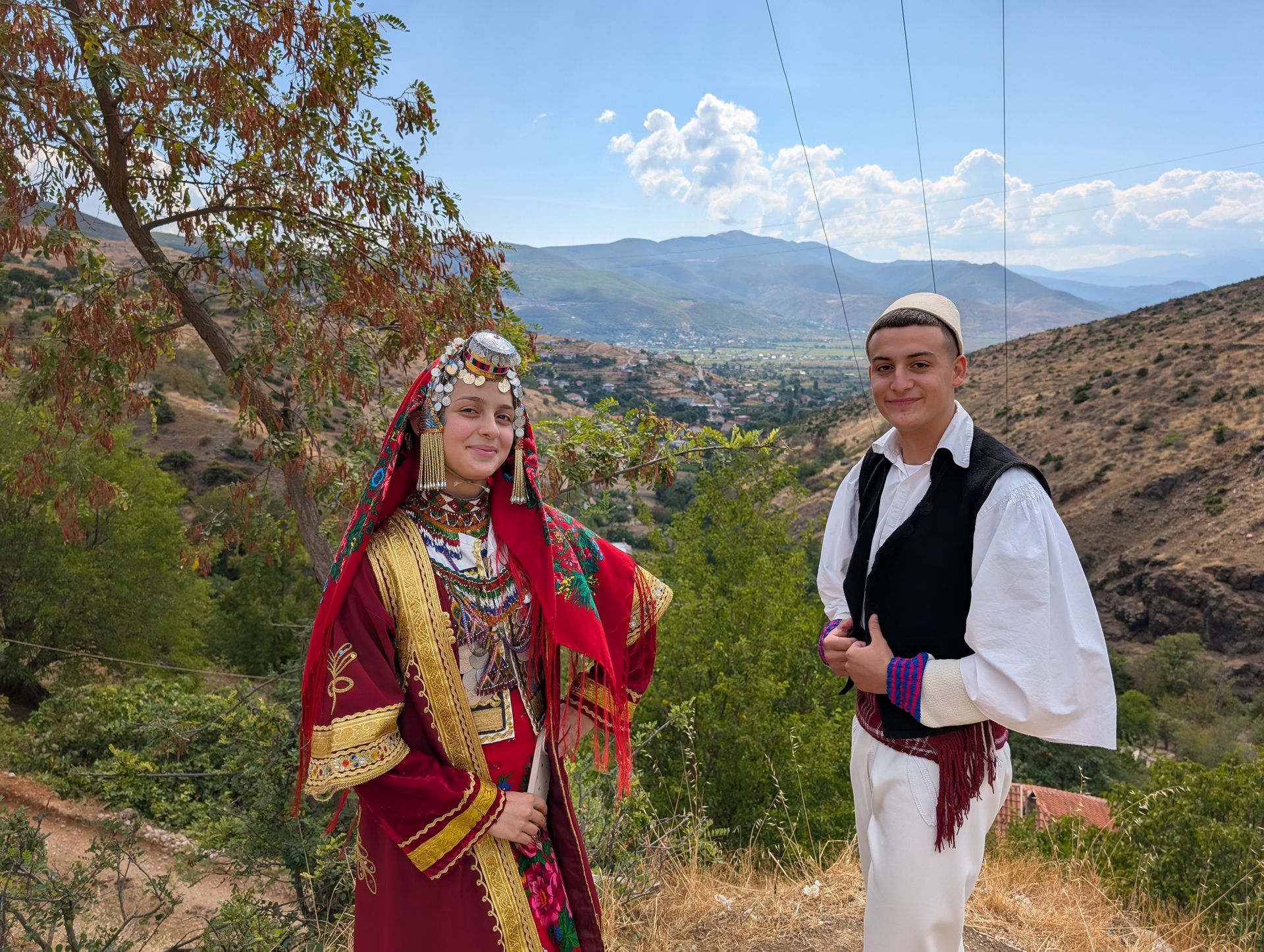
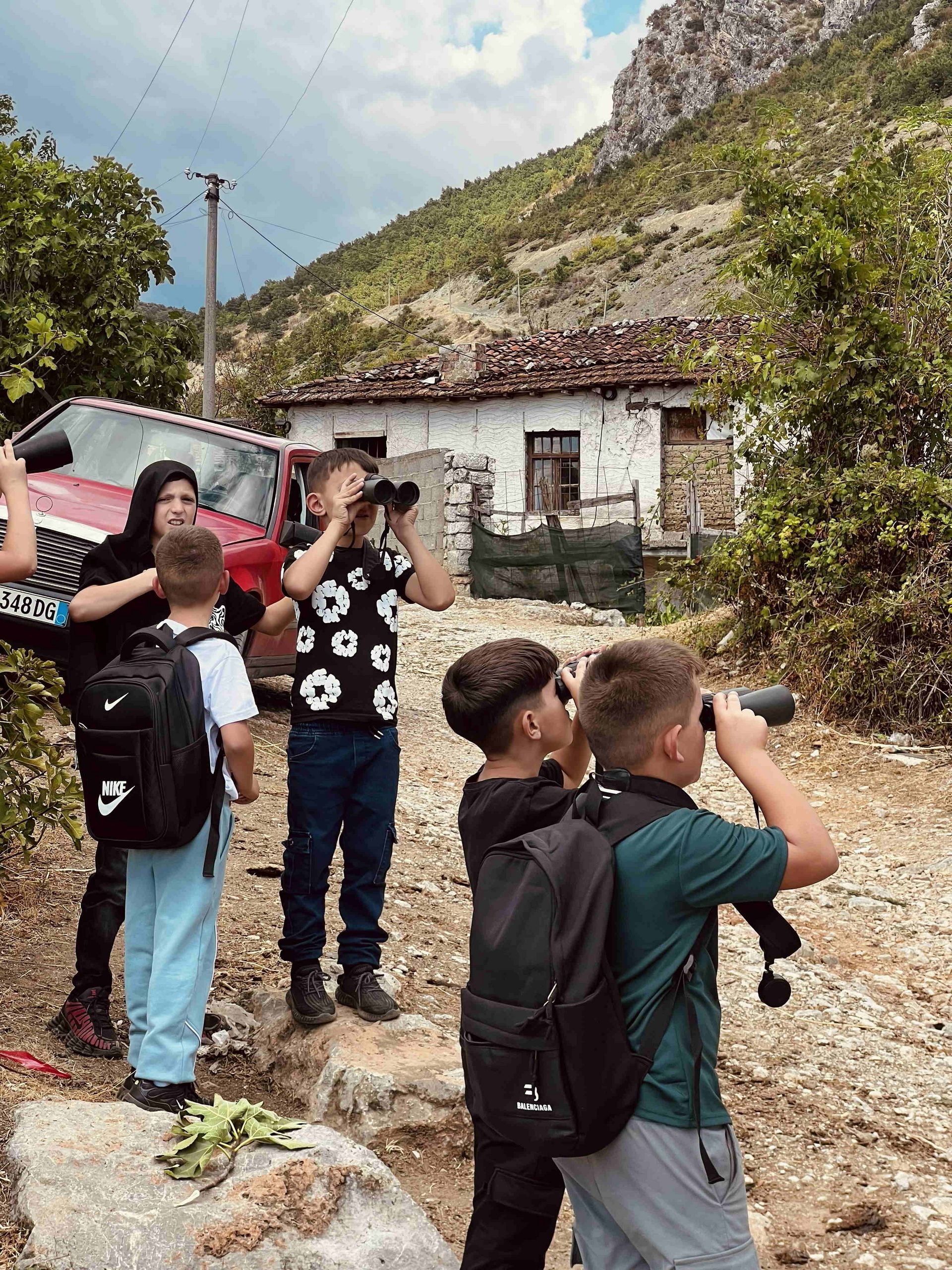
On 21 September, the European Green Belt Days were celebrated in the village of Rrajca, Albania, bringing together members of the local community, children, and participants from North Macedonia for a day dedicated to nature, culture, and cross-border cooperation. The celebration featured traditional songs and dances, local food, and nature-focused activities, including birdwatching, offering participants the chance to connect with the local community while discovering the area's rich natural and cultural heritage.
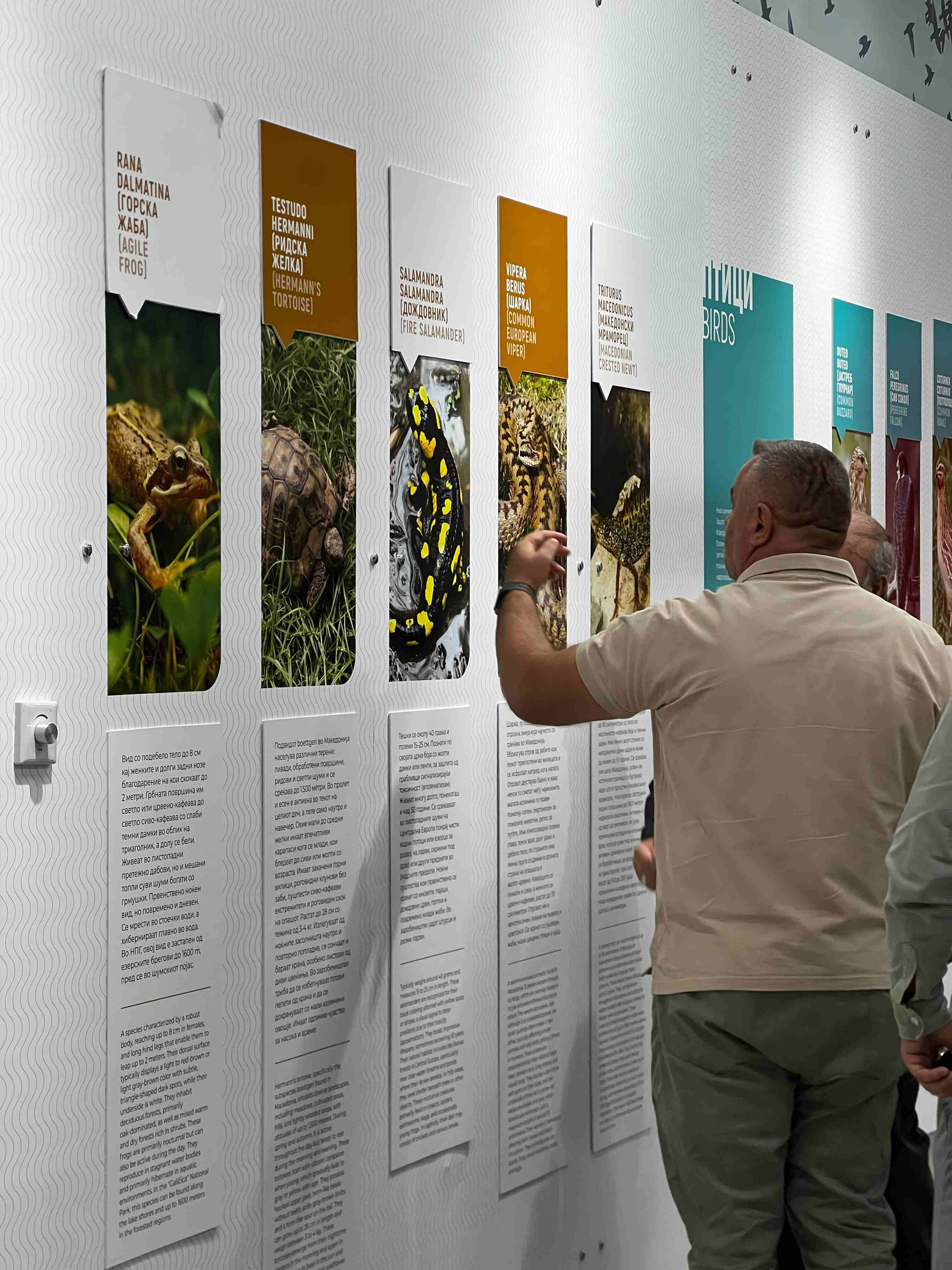
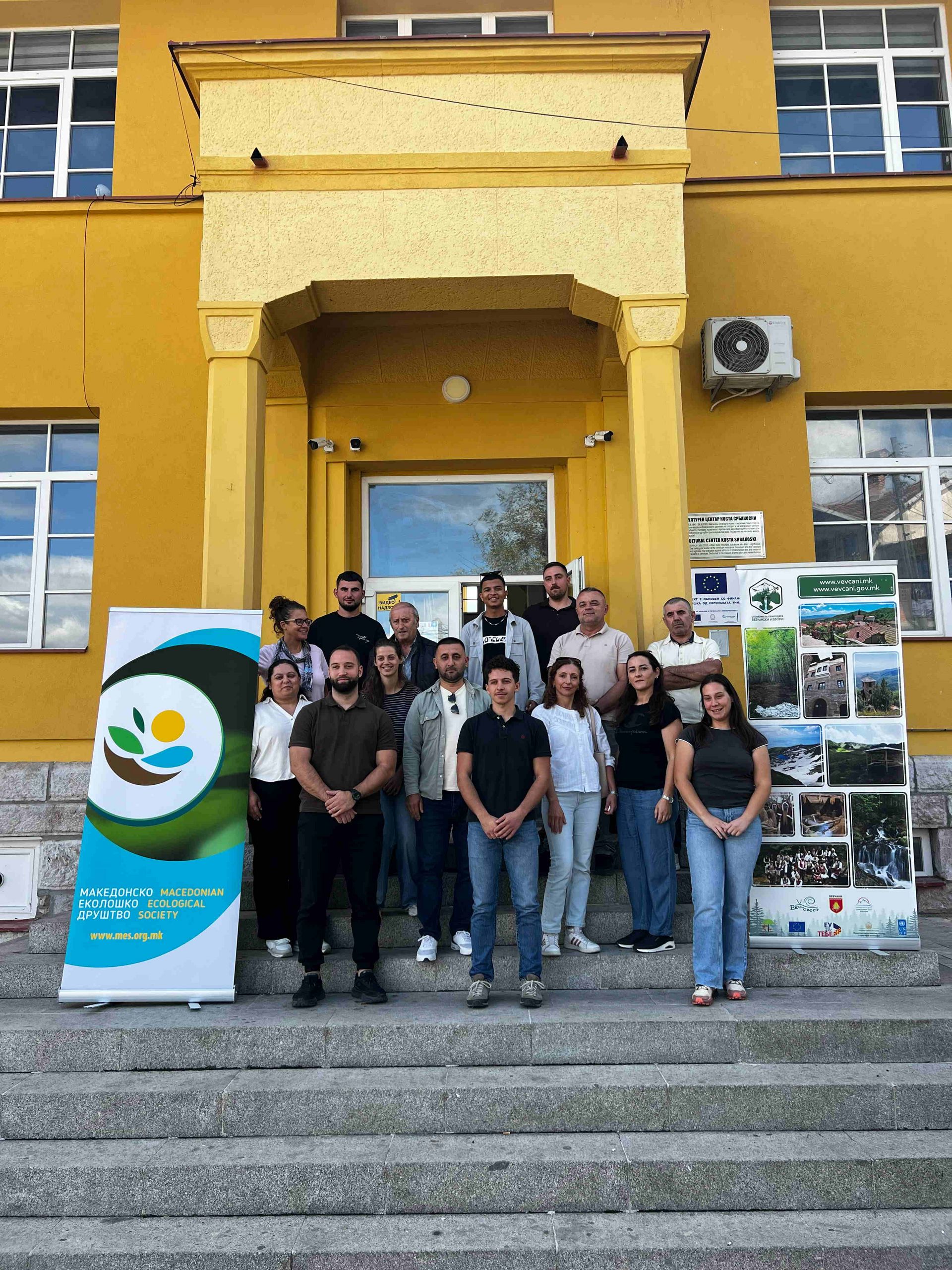
On 22 September, the celebration continued in Vevchani, North Macedonia, where participants from Albania joined a cross-border exchange at the Multicultural Center. The exchange introduced the European Green Belt Initiative and the Cross-Border Management of Protected Areas in the Western Balkans project, which strengthens cooperation in nature conservation across Albania, North Macedonia, and Montenegro. Participants also explored the Vevchani Springs, a natural monument protected by the local community for centuries, highlighting the vital role communities play in safeguarding natural heritage.
Objective
The celebration aimed to raise awareness of the importance of nature conservation and the European Green Belt, and to encourage local communities, especially younger generations, to develop a stronger connection with their natural surroundings. Through educational and interactive activities, the event aimed to provide a fun learning environment for children and students, where they could learn about nature, observe local biodiversity, and understand the importance of protecting it. The celebration also sought to bring together cultural traditions and nature conservation, demonstrating how local communities can contribute to preserving the area's natural and cultural heritage.
Approach & Results
The two-day celebration demonstrated the spirit of the European Green Belt—connecting people, communities, landscapes, and countries through shared efforts to protect nature.
It combined educational, cultural and recreational activities to create an engaging experience for participants of all ages. The programme included a presentation about the European Green Belt, traditional songs and dances from the region, as well as traditional local cuisine. Children and students were actively involved throughout the day. They took part in nature-inspired drawing activities, using art to express their observations and appreciation of the natural environment. Another highlight was the birdwatching activity, during which the children and students used binoculars to observe birds in their natural habitat. Many of the children found the birdwatching activity particularly memorable, describing it as one of the most enjoyable experiences they had had.