
Discovering the taste and stories of Maleshevo
Background & Location
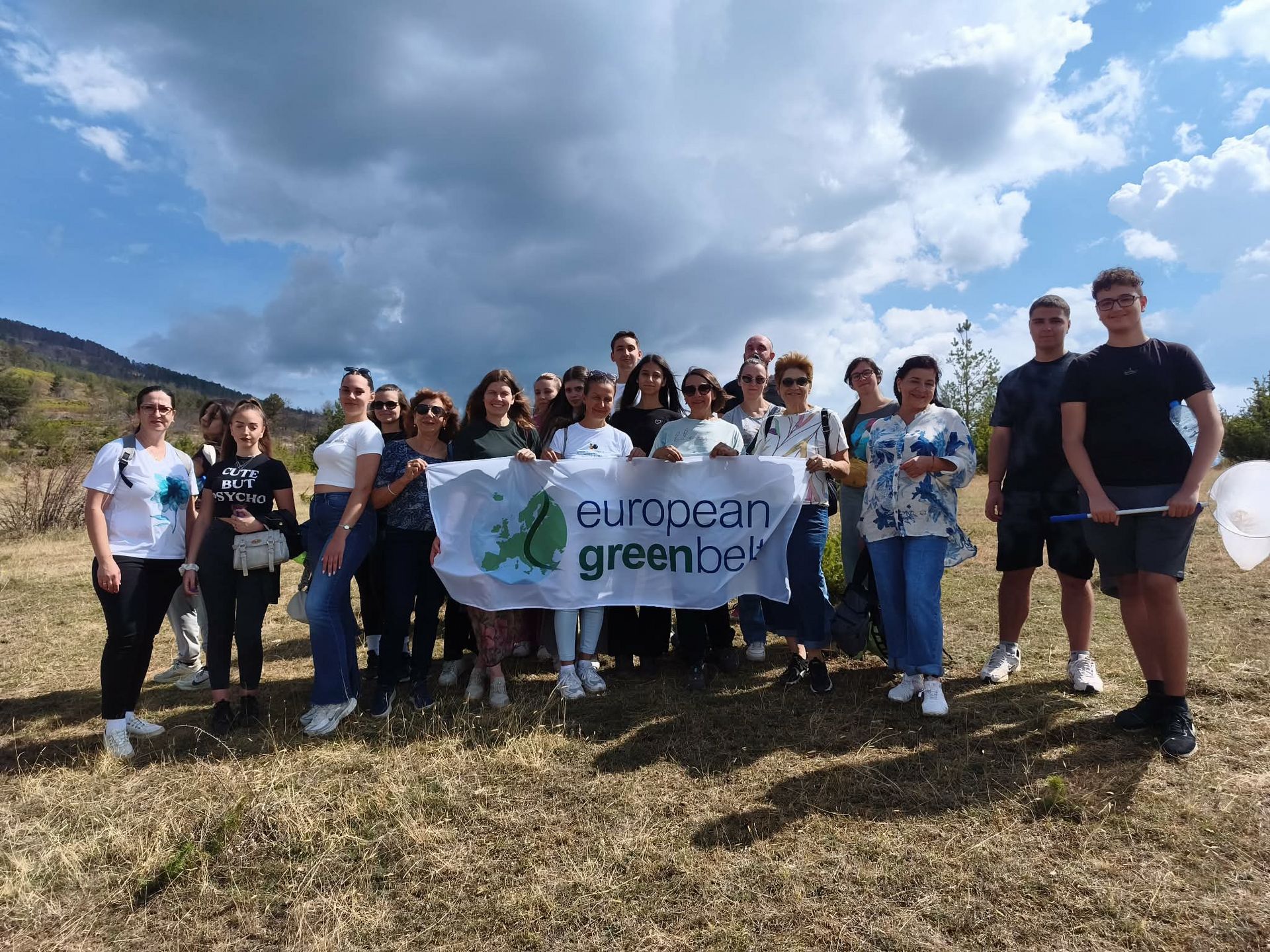
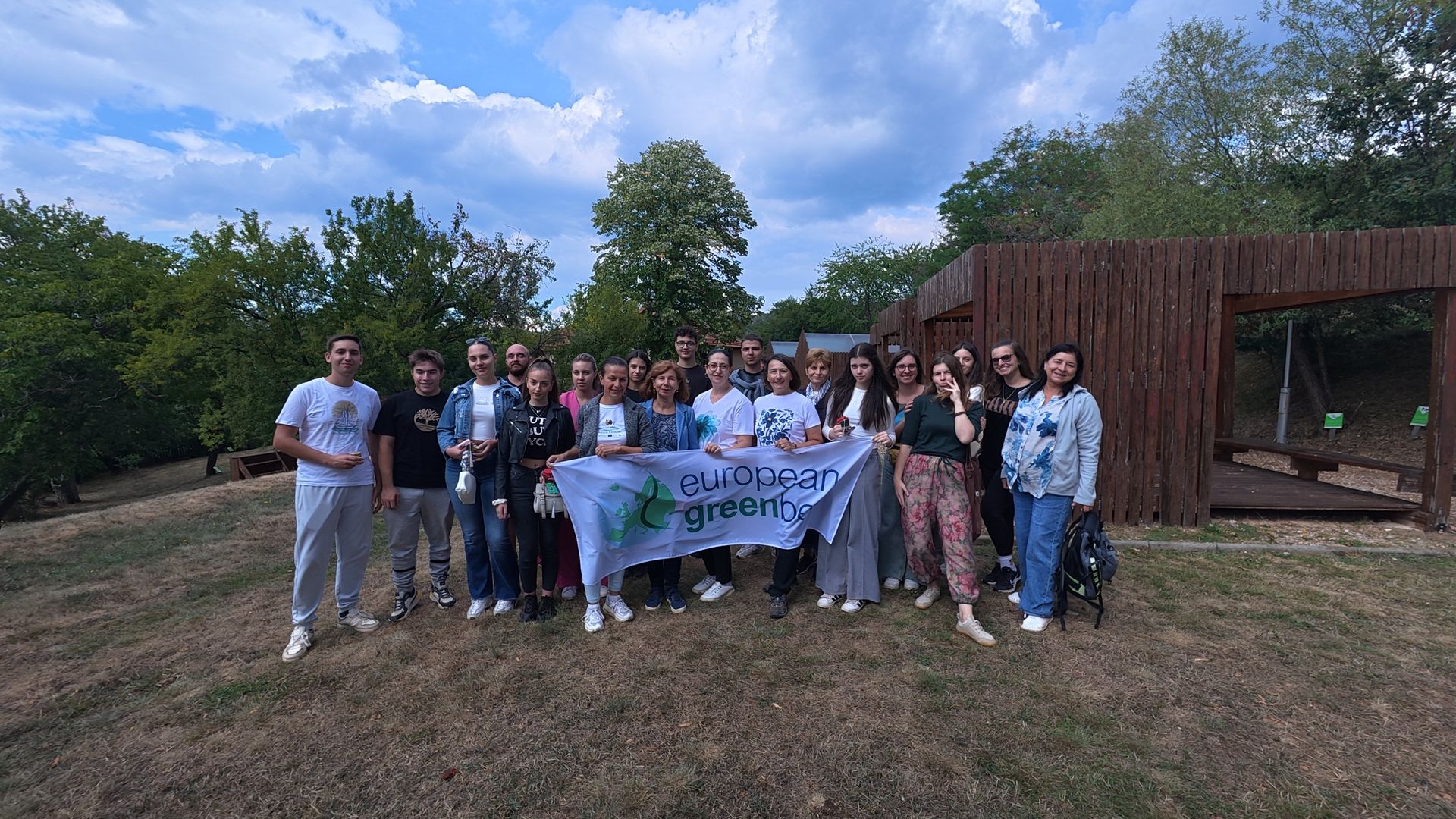
The celebration took place in Negrevo, in the municipality of Pehchevo in North Macedonia’s Maleshevo region, close to the Judovi Livadi peatland and the rare insectivorous plant round-leaved sundew (Drosera rotundifolia). It brought together participants of different ages and from various target groups from North Macedonia and Bulgaria. The setting, which combined exceptional biodiversity, traditional orchard landscapes and local food heritage, was ideal for demonstrating how the Balkan Green Belt connects nature, communities and culture across borders.
Objective
The objective was to increase participants’ knowledge of the European Green Belt as a shared ecological and cultural landscape, turning that knowledge into stronger cross-border cooperation. The celebration aimed to connect participants from North Macedonia and Bulgaria with the habitats, native fruit varieties and traditional practices of Maleshevo; demonstrate how orchard conservation, local gastronomy and sustainable tourism can support biodiversity and rural livelihoods; and establish a foundation for ongoing collaborative efforts. Through a combination of field learning, presentations, intergenerational exchange and local food tasting, the celebration sought to strengthen regional identity and public support for conserving the Balkan Green Belt.
Approach & Results
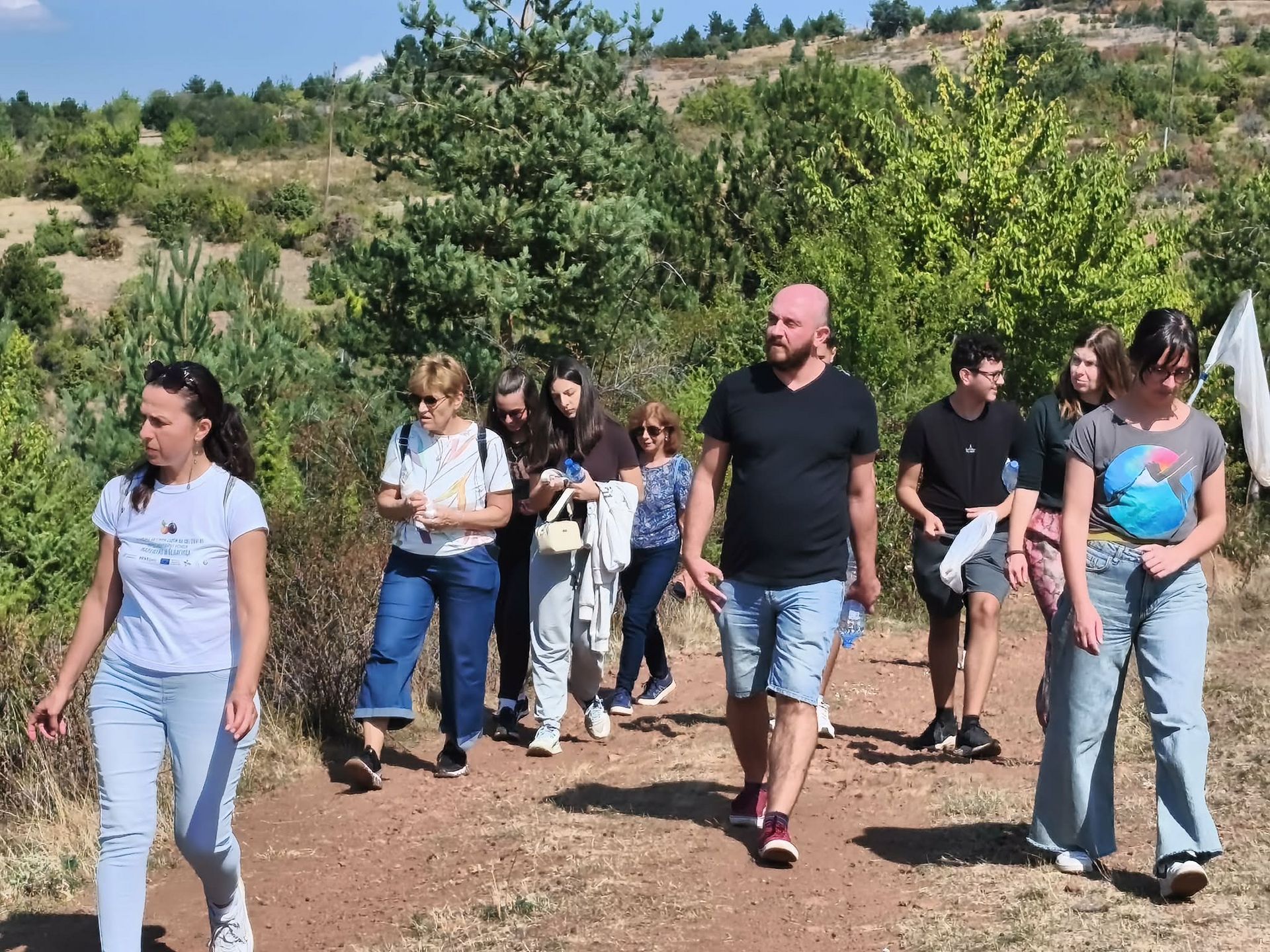
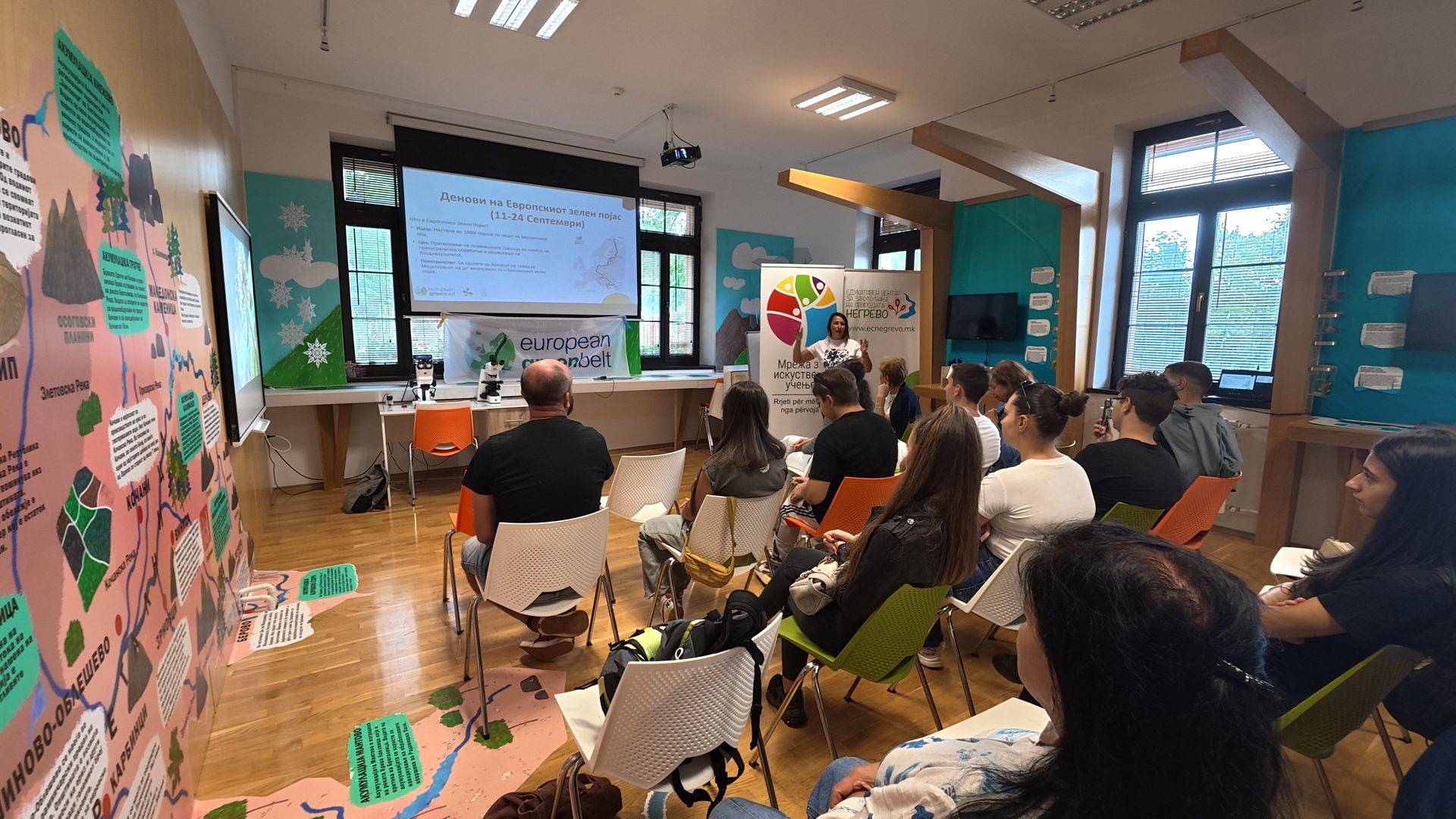
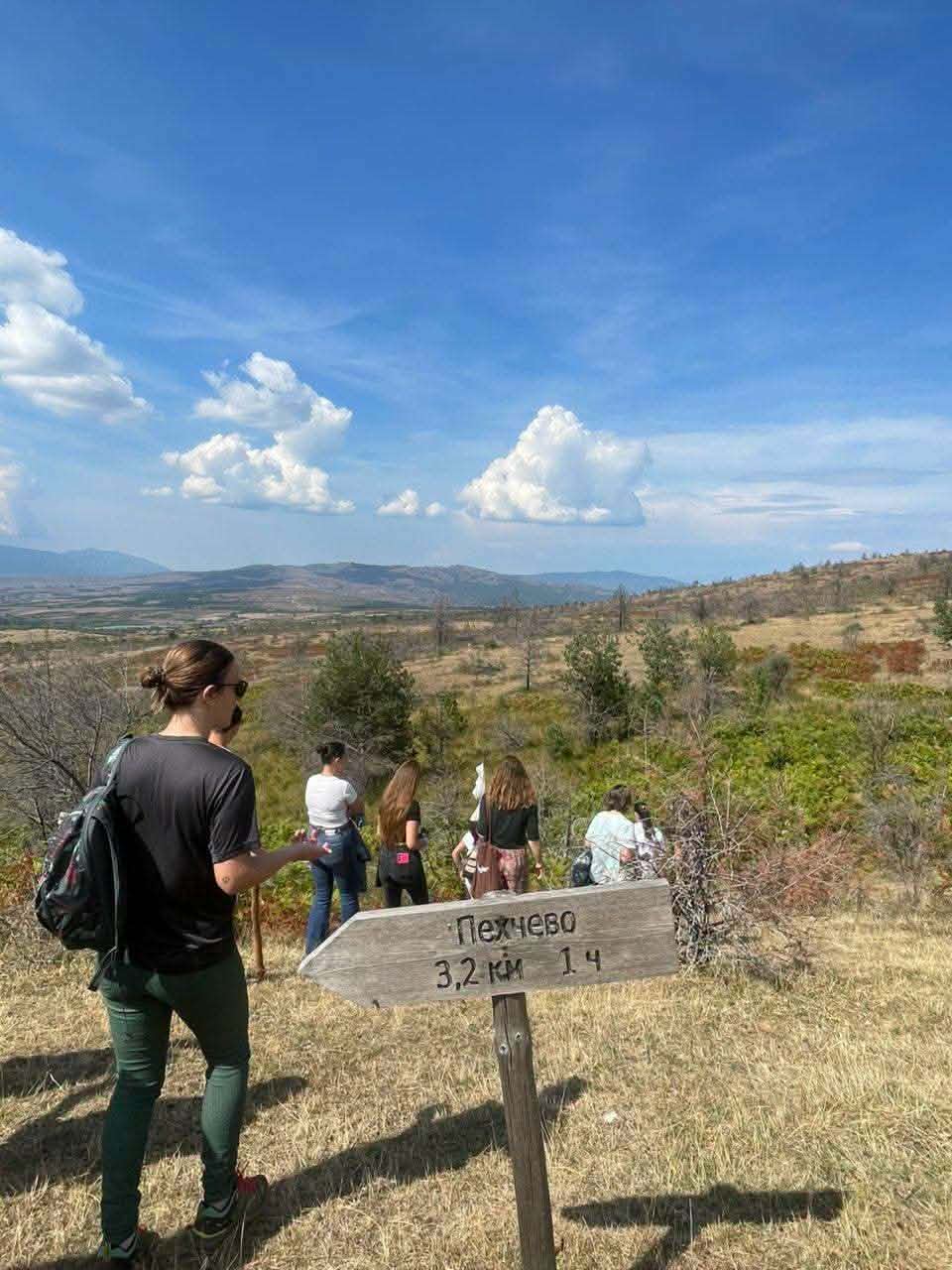
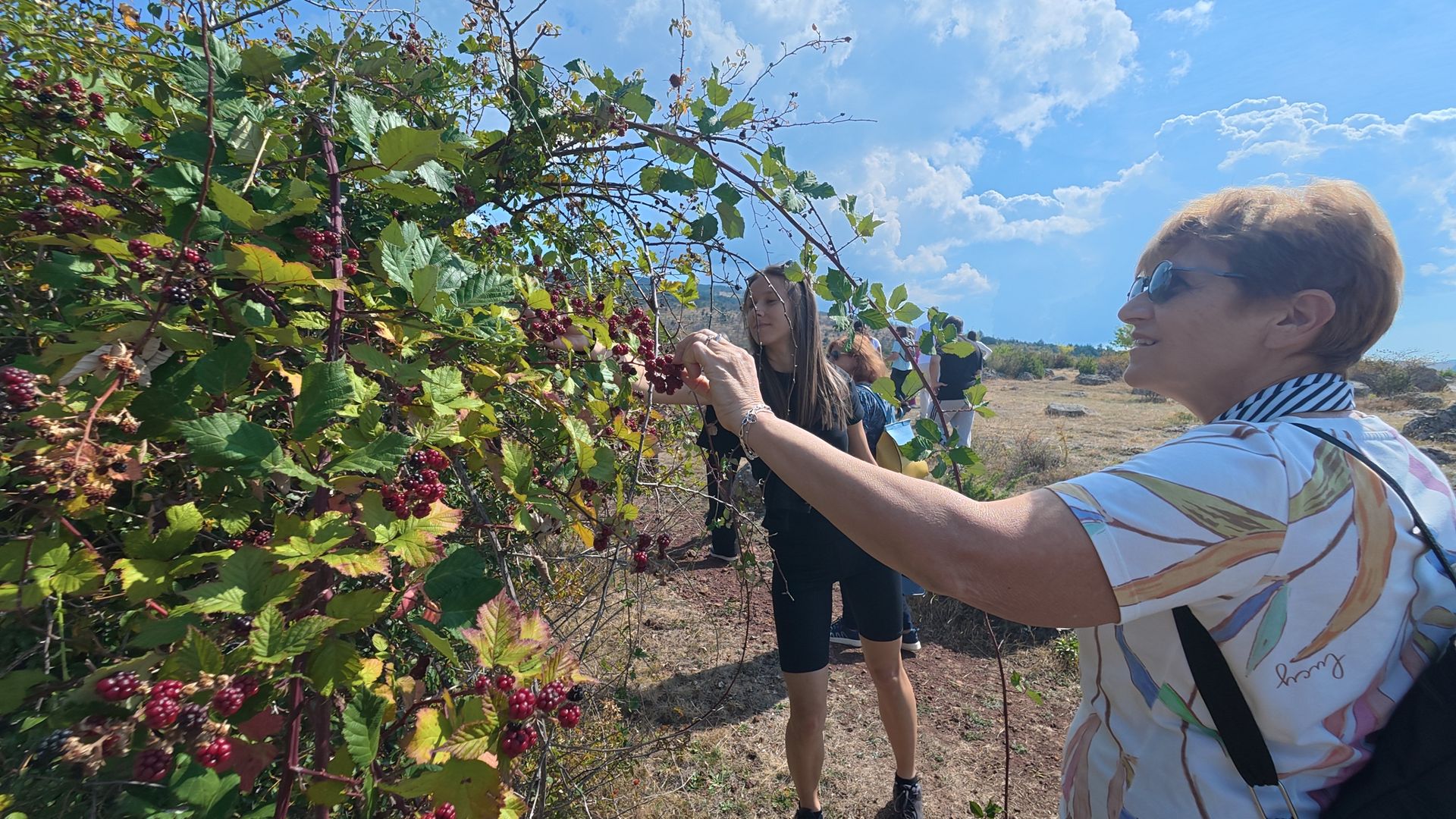
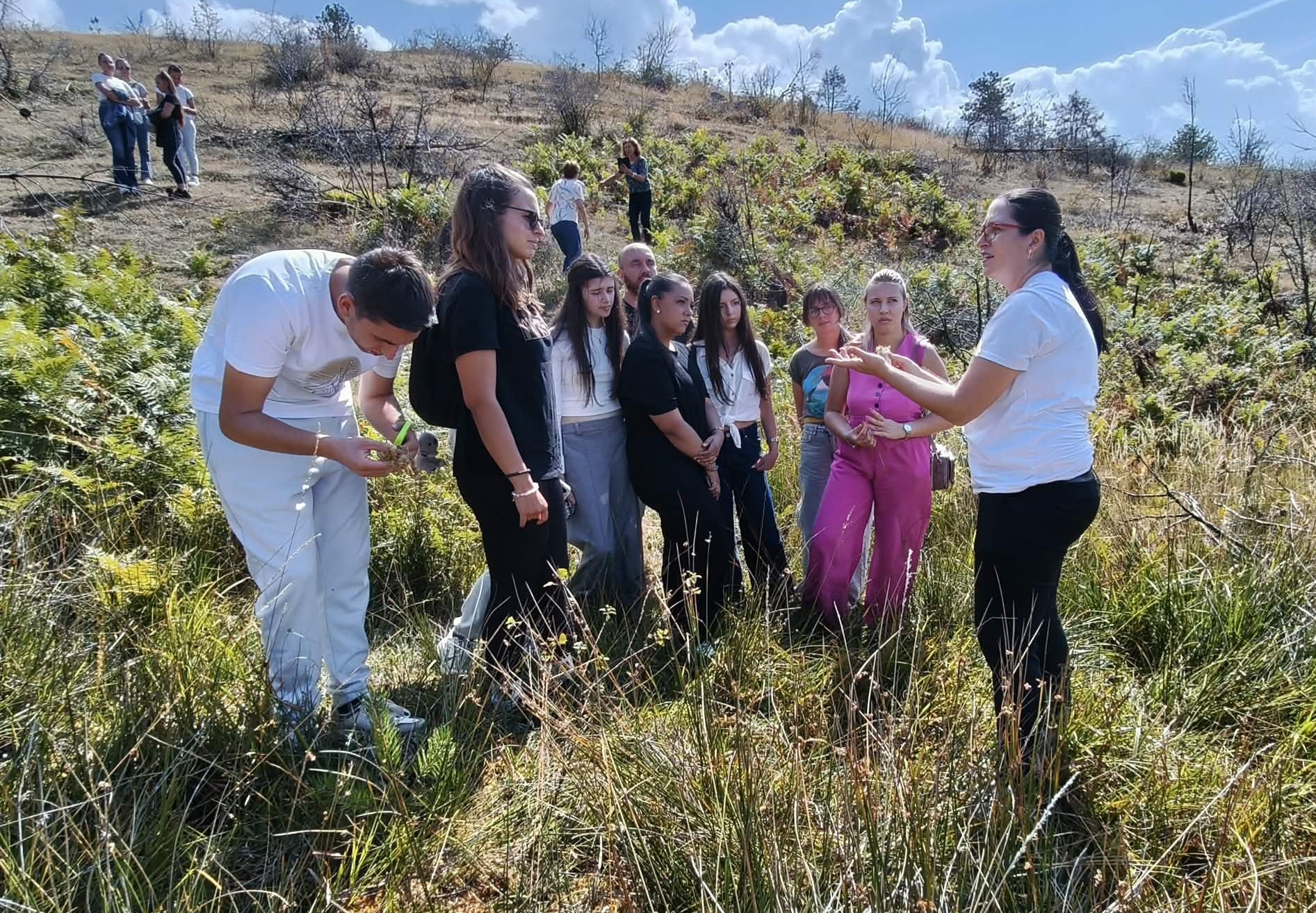
Farmers, local institutions, protected area managers, schools, NGOs and young people from North Macedonia and Bulgaria, joined the celebration in Negrevo. The programme began with a guided walk along Petko’s Trail towards Judovi Livadi. Participants explored the unusual ecology of the peatland and learnt about the round-leaved sundew, a rare insectivorous plant and local conservation symbol. This was followed by a short presentation introducing the European Green Belt and explaining how former border landscapes now support biodiversity, cultural heritage and cooperation.
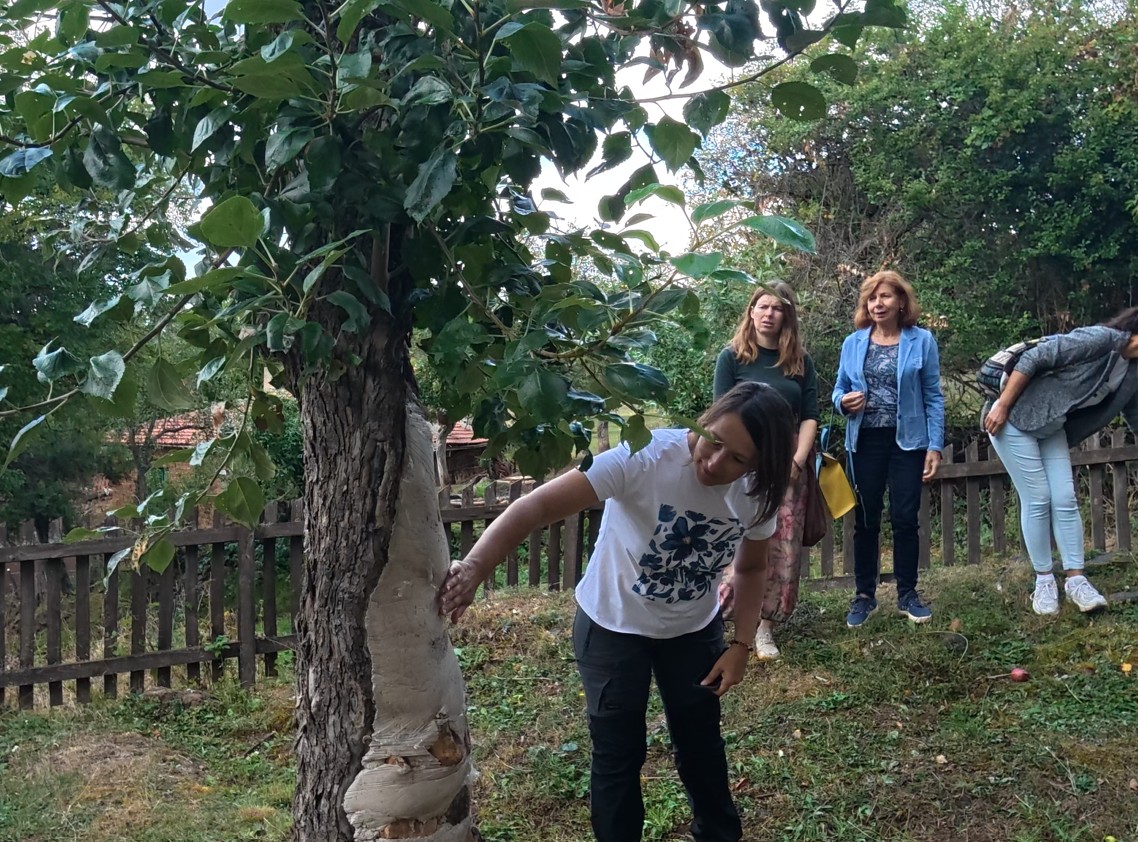
The celebration also built on earlier work to conserve native fruit varieties in Maleshevo and Belasitsa, including monitoring activities related to the revitalisation and protection of old varieties (tree revitalisation and grafting). Participants exchanged knowledge about traditional orchards, local produce, and nature-based livelihoods before tasting regional cuisine that brought Maleshevo’s cultural landscape to life.
A particular highlight was the signing of a Memorandum of Cooperation between the two organising organisations from North Macedonia and Bulgaria. This transformed the festive day into a commitment to future joint activities that will connect communities, conserve nature and strengthen cross-border cooperation. The combination of field exploration, hands-on learning, networking and local flavours demonstrated that the European Green Belt is not only an ecological corridor, but also a vibrant space for shared narratives and future prospects.