
Fertő Regatta: one lake, two shores, one shared future
Background & Location
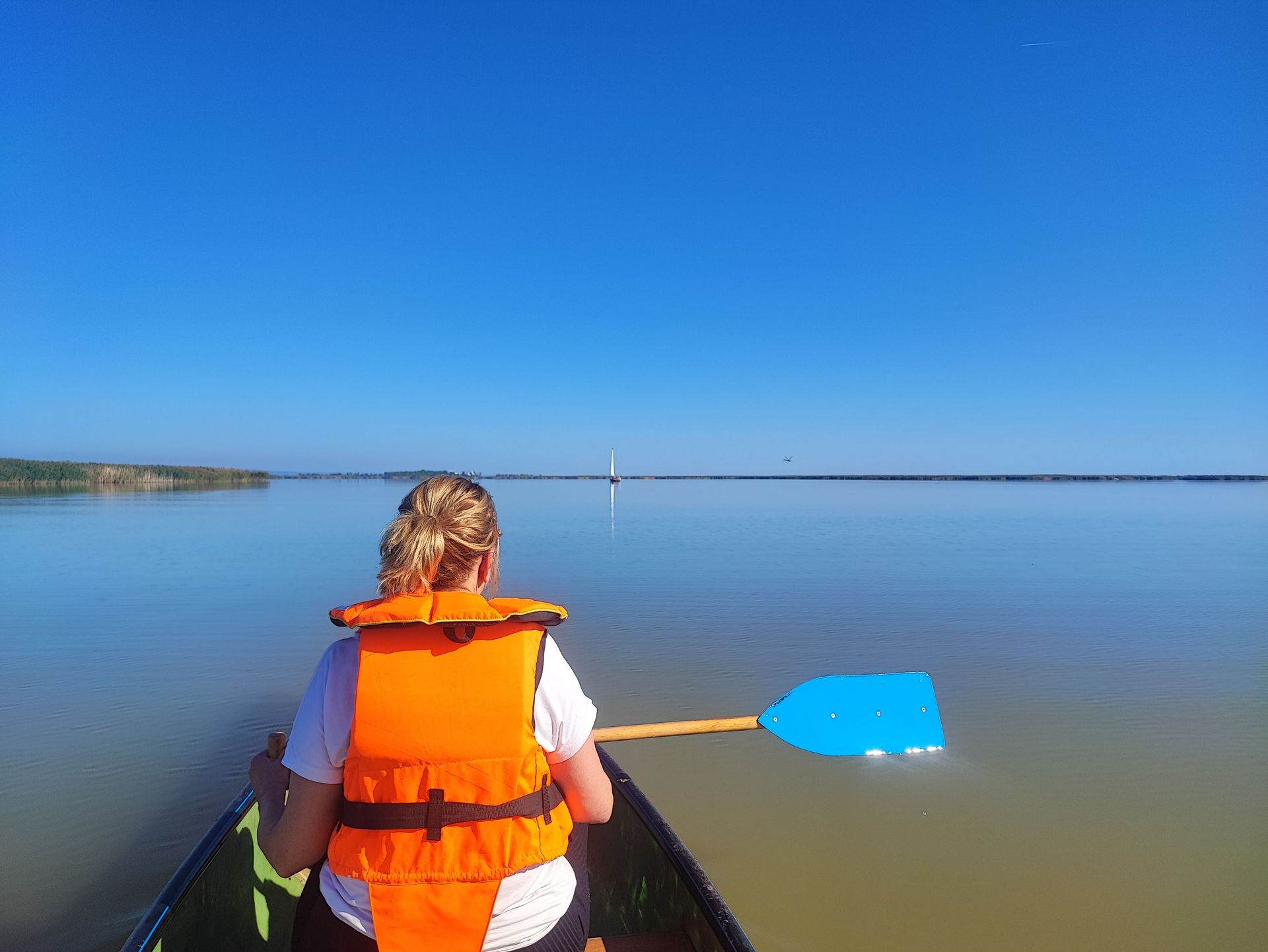
When borders close off a lake, local communities build bridges instead. On the European Green Belt Days 2025, the Fertő Regatta brought people from the Hungarian and Austrian sides of Lake Fertő/Lake Neusiedl together to celebrate its shared natural heritage, sending a clear message that the lake connects, rather than divides. The regatta on the cross‑border steppe lake was organised by Hungarian and Austrian partners and highlighted the lake as a shared natural and cultural heritage rather than a line of separation. The setting was very special because the regatta symbolically reconnects communities around a UNESCO World Heritage and Natura 2000 wetland at a time when access and development conflicts dominate the Hungarian shore.
Objective
The Fertő Regatta aimed to demonstrate that Lake Neusiedl/Fertő is shared natural heritage transcending borders, and to reconnect people with the lake despite the closures and conflicts on the Hungarian shore. The event also sought to raise public awareness of the ecological value of this UNESCO and Natura 2000 wetland, and to strengthen support for nature-friendly lake use and access. The desired outcome was a stronger cross-border community around the lake, and greater political and social backing for its protection as one coherent ecosystem.
Approach & Results
The regatta routes physically connected the Hungarian and Austrian shores, placing mixed crews and boats from both countries on the same course. This demonstrated the lake as a shared space, rather than two separate entities. Meanwhile, side events such as guided nature presentations and informal meetings highlighted the lake’s wetland biodiversity and the current threats it faces. These events fostered dialogue between residents, NGOs and visitors about fair access and nature-friendly use. This combination of symbolic action and face-to-face interaction helped to build cross-border cohesion and public support for the protection of Lake Neusiedl as a single ecosystem.