
Crossing borders – the spread of the lesser horseshoe bat between Thuringia and Upper Franconia
The transboundary project was implemented by the Ökologische Bildungsstätte Oberfranken and the Stiftung Fledermaus from January to December 2025.
Challenge
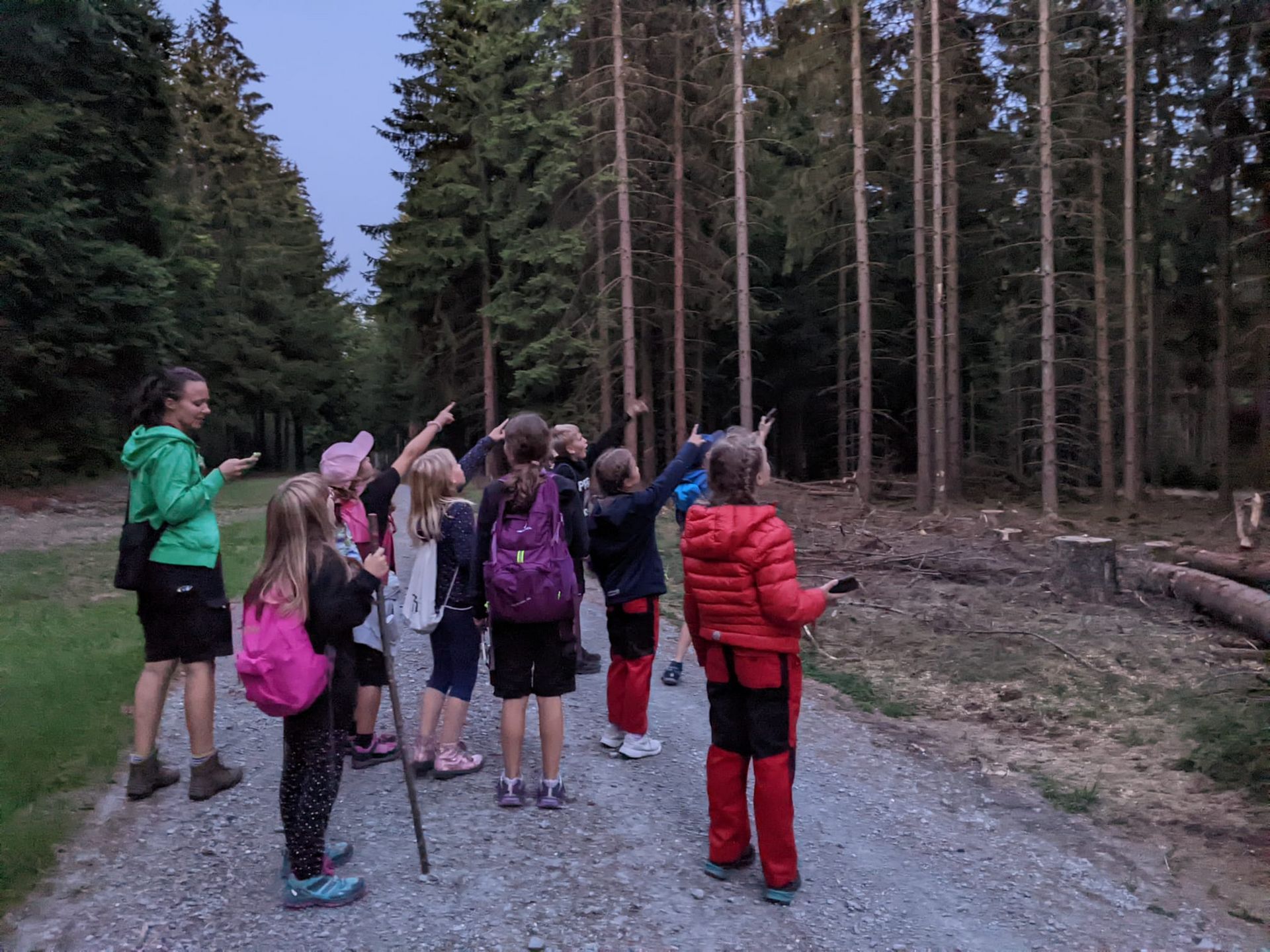
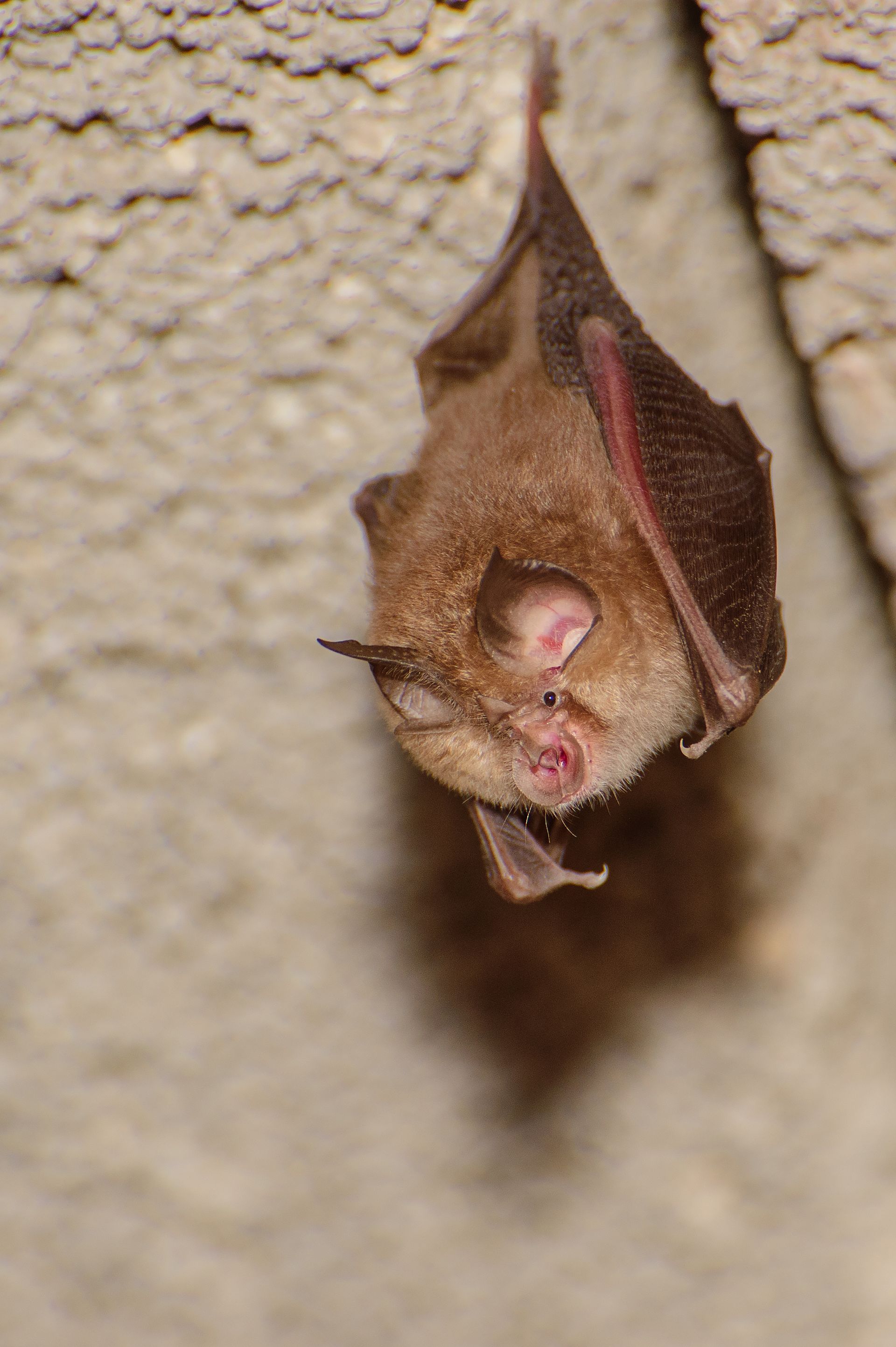
In recent years, the population of the very rare Lesser horseshoe bat has stabilised in Thuringia, along the German Green Belt. Nevertheless, dedicated measures are needed to secure this upward trend. Individual animals have also been detected in Upper Franconia, at the border with the Thuringian Green Belt. The fragmentation of lesser horseshoe bat populations, limited genetic exchange between isolated groups and a lack of reliable monitoring data would hinder the species' recovery and long-term stability in the region, as would insufficient public awareness.
Objective
The project aimed to optimise structures along the European Green Belt to support the distribution of Lesser horseshoe bats and other bat species. Significant progress should be made in increasing knowledge about the distribution of the lesser horseshoe bat. Specifically, regional decision-makers should be informed about the needs of the Lesser horseshoe bat, potential conflicts of interest, and possible solutions relating to municipal construction activities and bat protection.
Approach
The project achieved its goals through:
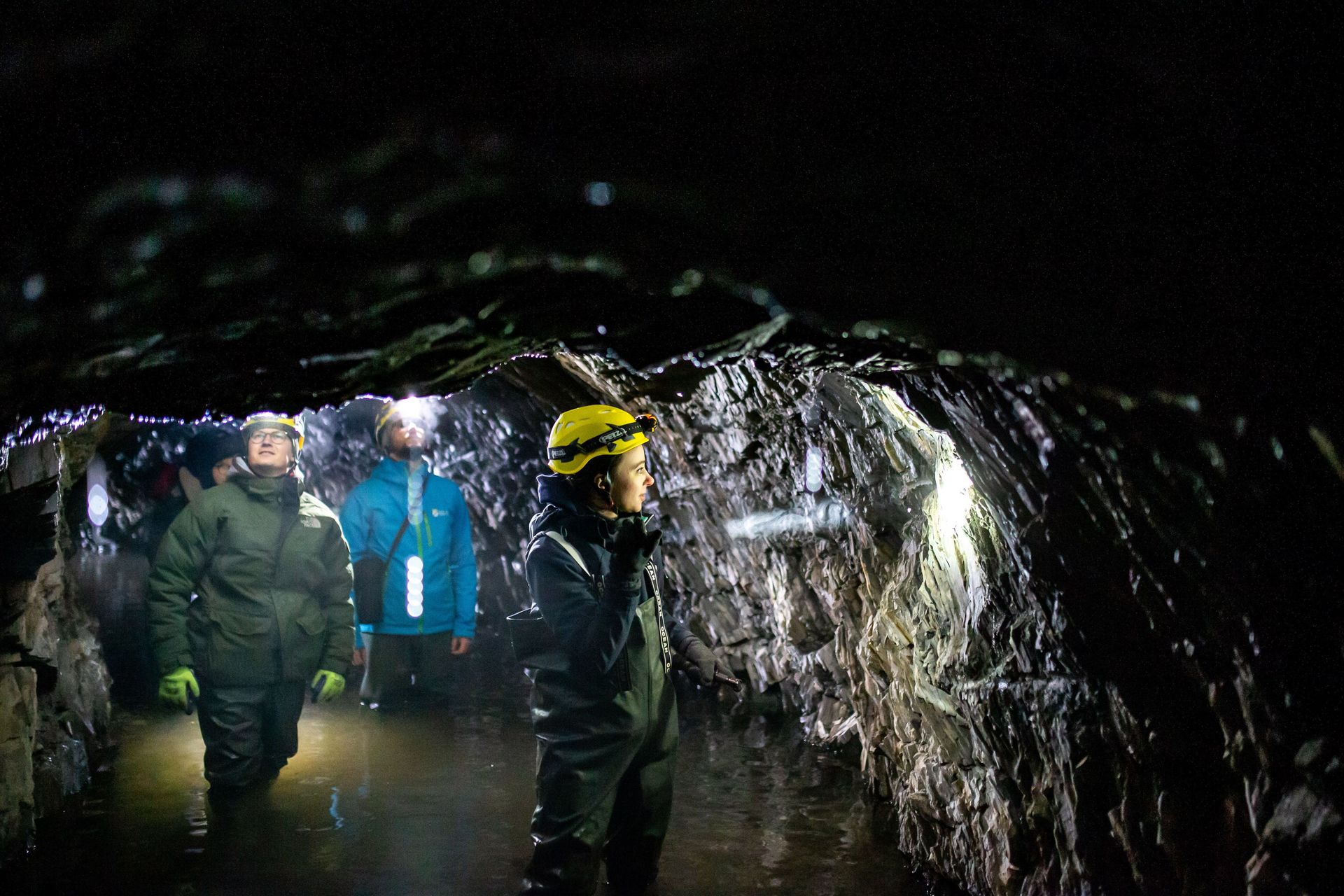
- Field research: investigating potential winter and summer habitats of the Lesser horseshoe bat, partly by acoustic surveys.
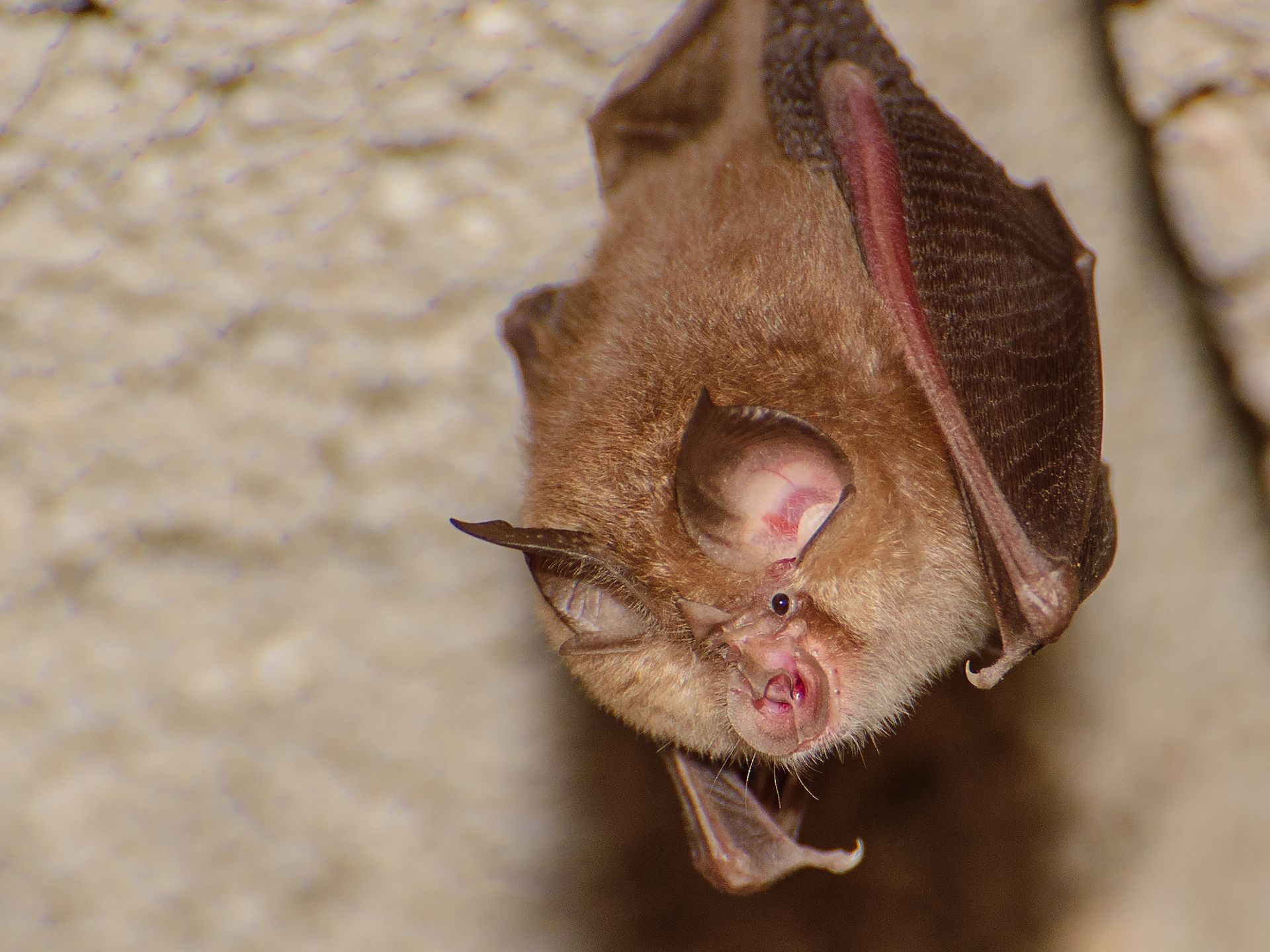
- Public relations: organizing 5 ‘bat nights’ at schools and sharing information on the importance of the European Green Belt as bat habitat.
- Structural measures: improving the habitat quality of selected sites.
Achieved Results
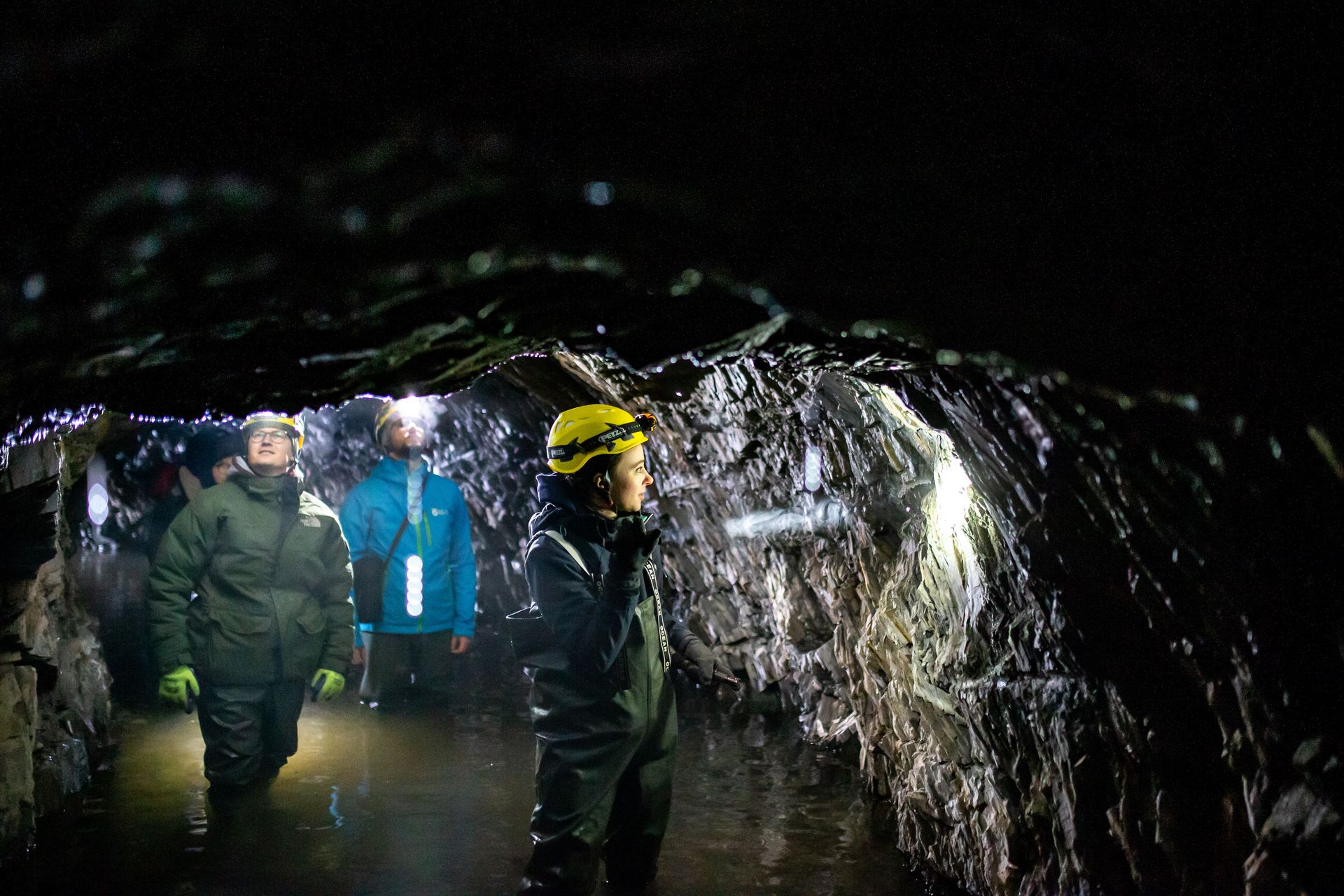
Field surveys covered 129 habitats (76%), detecting activity of the Lesser horseshoe bat in 56 sites and refining key distribution areas. Outreach included a brochure, community exchange, and 6 children’s workshops with more than 100 participants. Conservation measures secured a slate mine, opened a beer cellar as new roosting habitat, and installed artificial attic roosts in churches for bats.
Crossing borders – the spread of the lesser horseshoe bat between Thuringia and Upper Franconia
The transboundary project was implemented in Upper-Frankonia (Bavaria) in the counties of Coburg and Kronach, as well as in Thuringia in the counties Sonneberg and Saalfeld-Rudolstadt.
Nearest city: Coburg and Sonneberg
Project lead: Ökologische Bildungsstätte Oberfranken
Naturschutzzentrum Wasserschloß Mitwitz e.V.
Unteres Schloß
96268 Mitwitz (Germany)
Grant: 59.764,18 €
Duration: 12 months
Contact person for the BESTbelt project: Christina Höpflinger Christina.hoepflinger(at)oebo-natur.de
Interactive Map
This map is currently hidden to protect your privacy. When you click the button below, the map will be loaded from Mapbox.
If you tick the checkbox, this selection will be saved in a cookie and the map will be displayed automatically the next time you visit the site.