
Mitigating the negative impacts of mass tourism on ecosystems along the Lithuanian Green Belt
The project was implemented by the Lithuanian countryside tourism association (LCTA) from February 2025 to January 2026.
Challenge
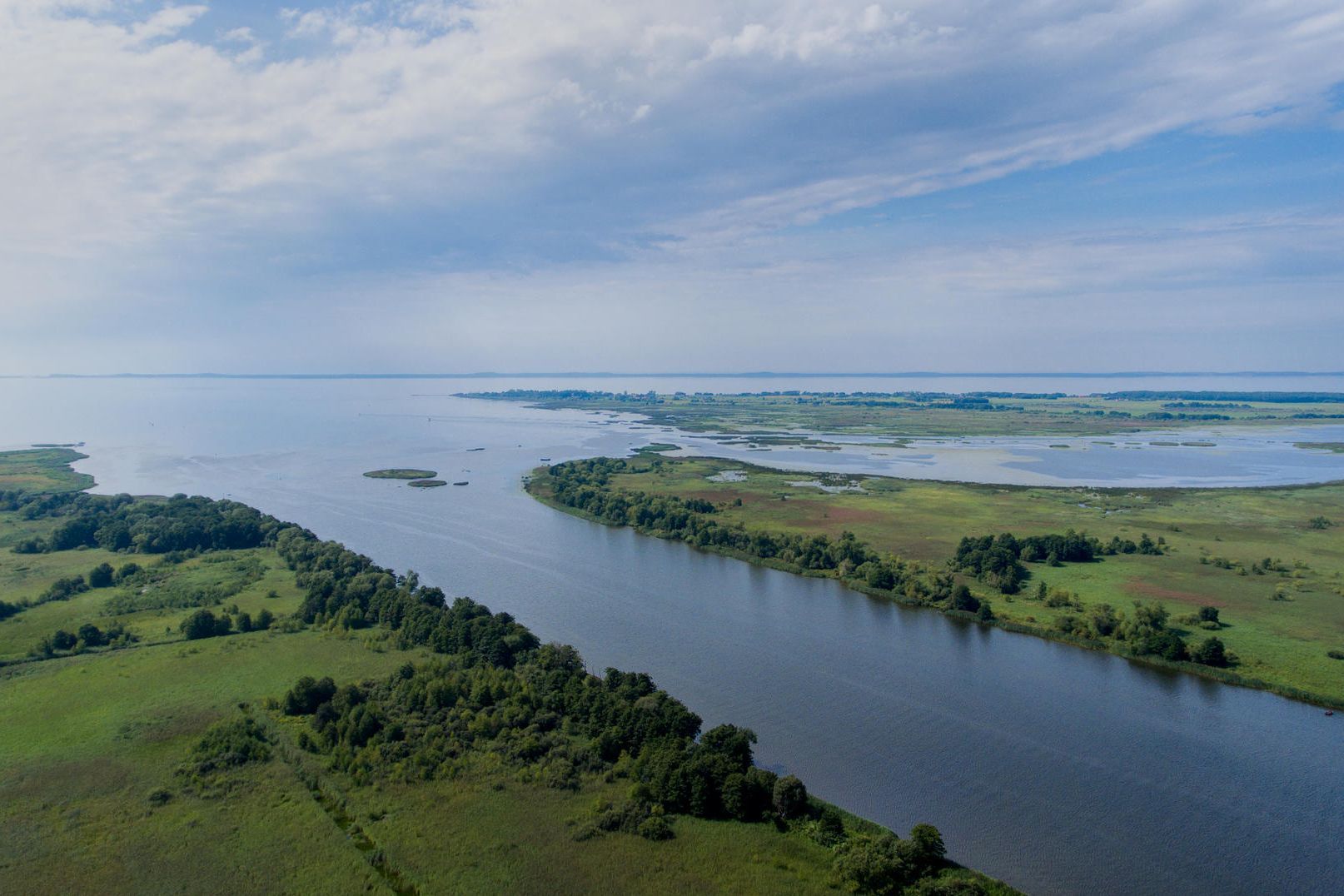
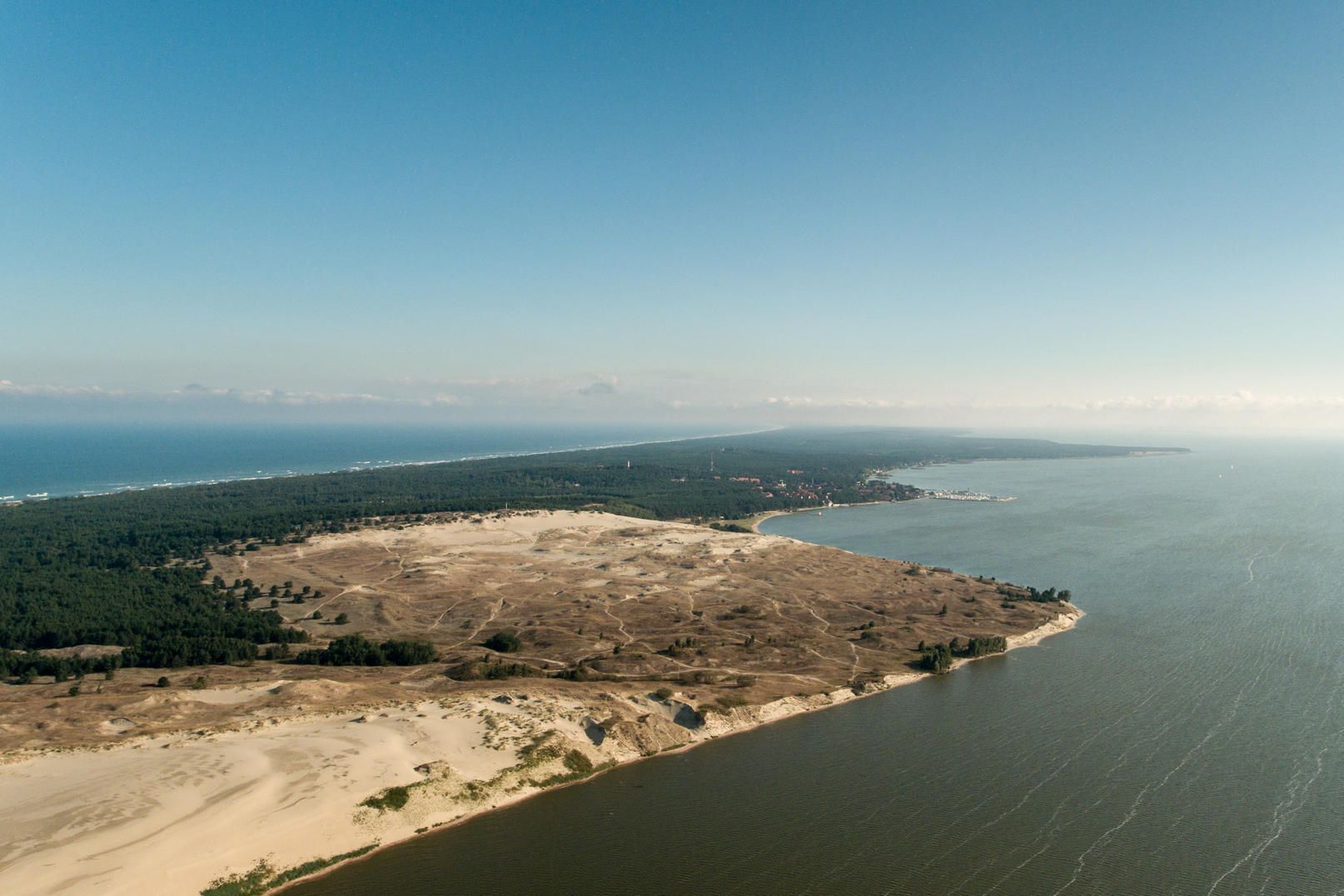
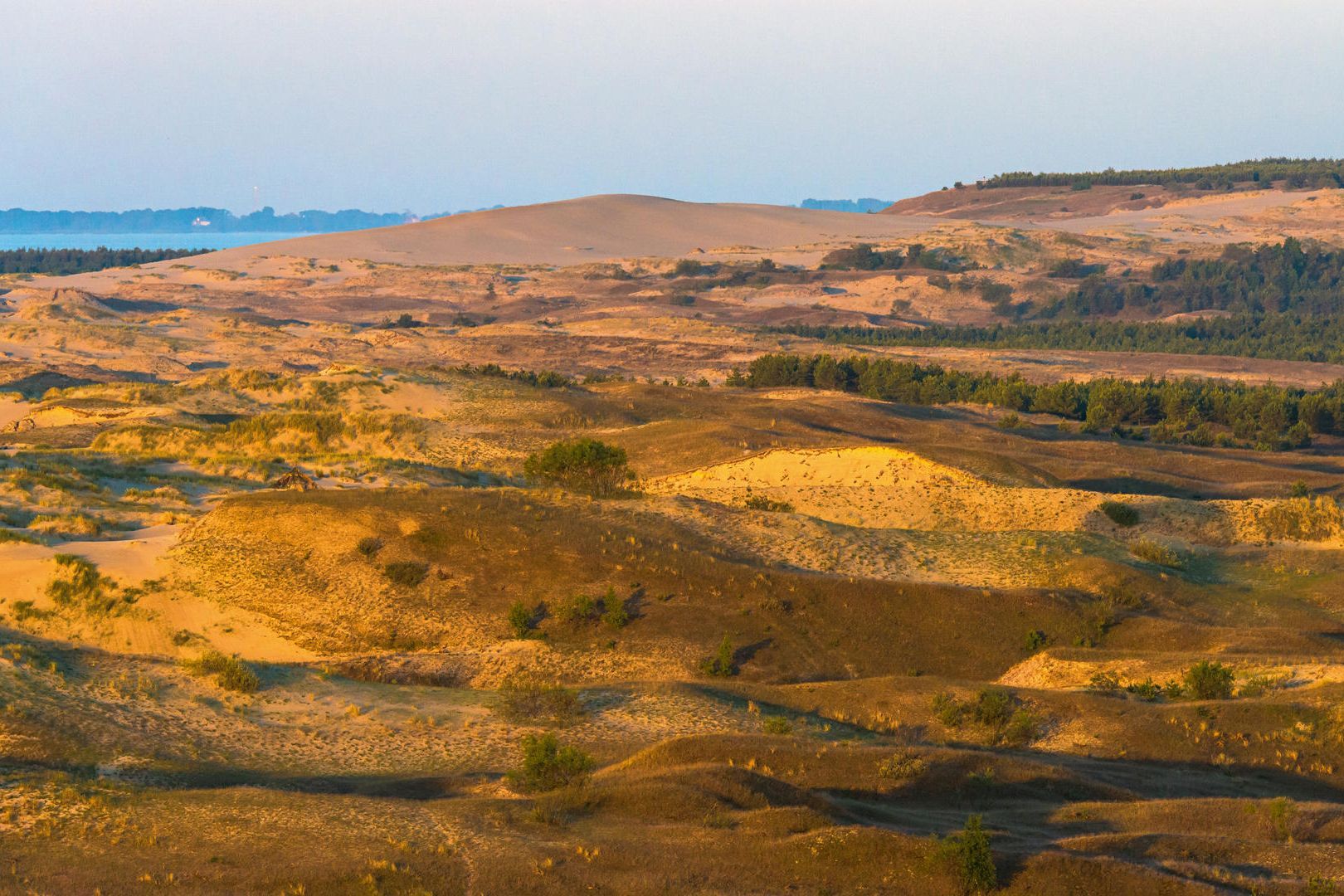
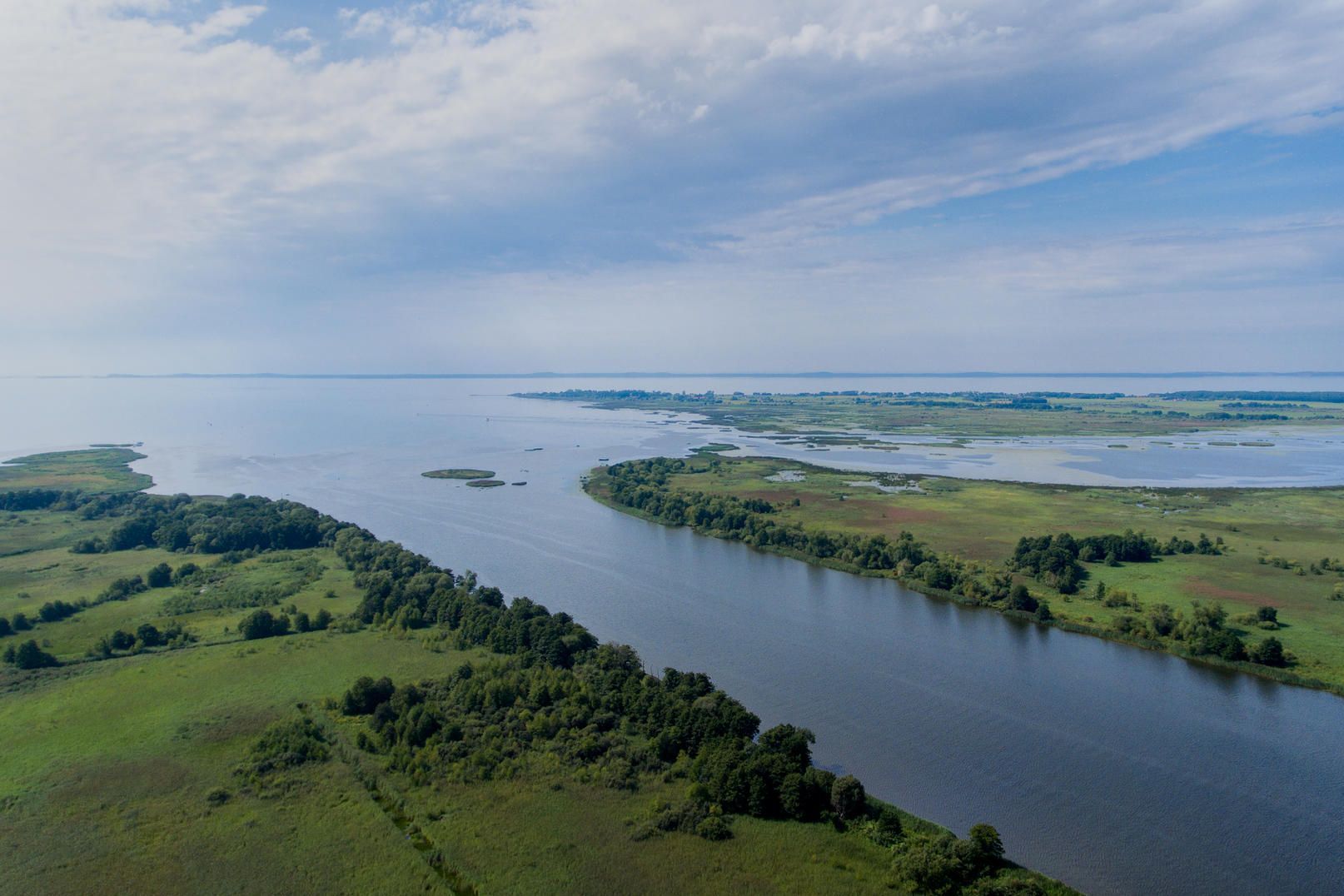
Lithuania’s Green Belt — a fragile coastal landscape of dunes, forests, and valuable biodiversity — had been increasingly threatened by growing mass tourism. Intensive visitor flows caused soil erosion, habitat degradation, and disturbances to wildlife, while unregulated access harmed rare plants and fragmented ecosystems.
Objective
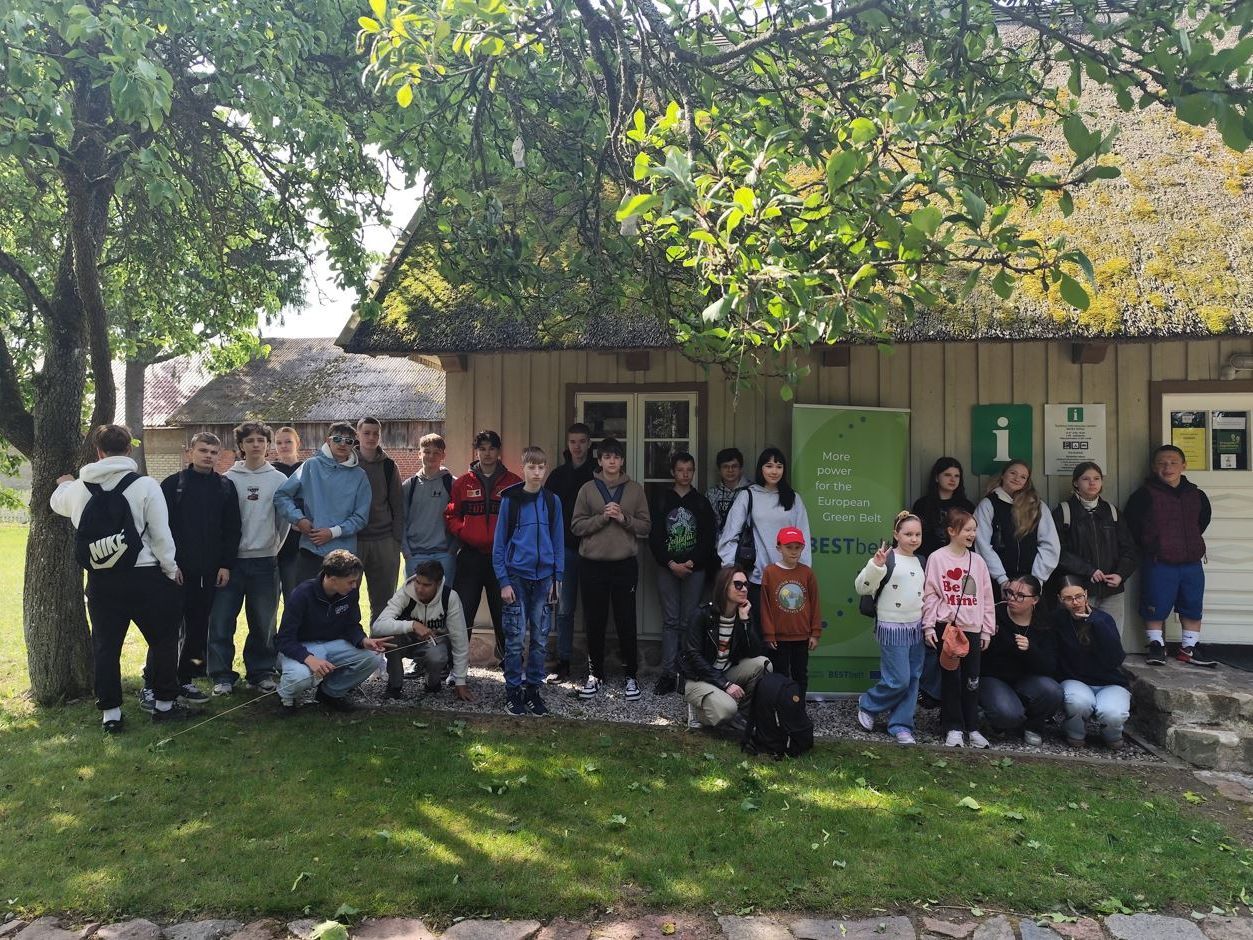
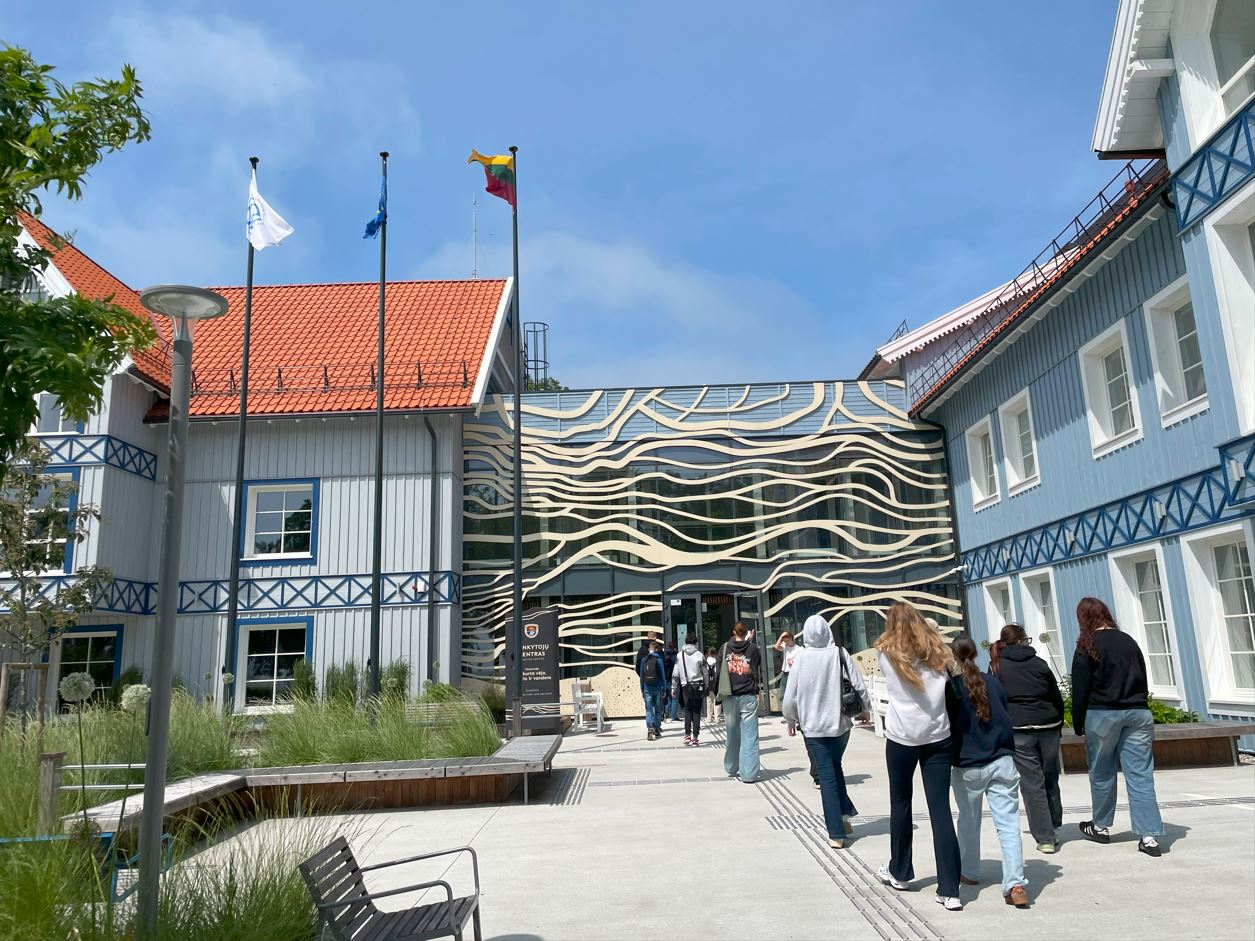
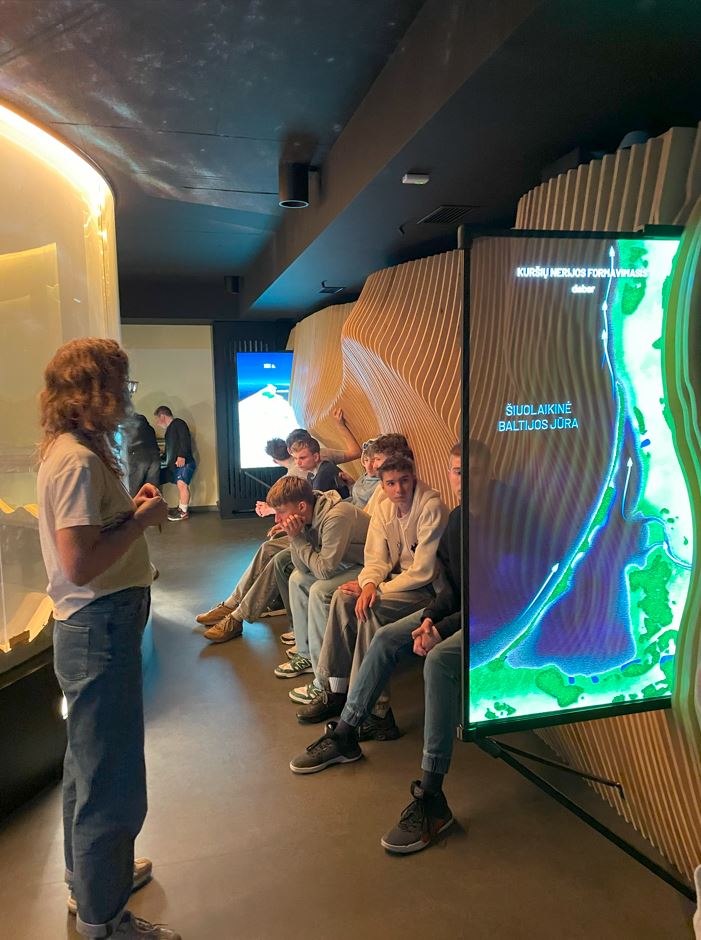
The project addressed these challenges by strengthening sustainable tourism practices and improving environmental awareness among tourism stakeholders and young people. The project team organised workshops, developed ecotourism routes, and delivered environmental education activities for tourism professionals, students, and schoolchildren. As a result, participants gained practical tools to reduce tourism’s environmental impact, responsible visitor behaviour increased, and pressure on sensitive coastal habitats was reduced.
Approach
During the project, a practical strategy combining education, capacity building, and sustainable tourism development to reduce the impact of mass tourism on the Lithuanian Green Belt were implemented through:
- Workshops: practical trainings for tourism stakeholders on sustainable tourism practices and impact reduction were delivered.
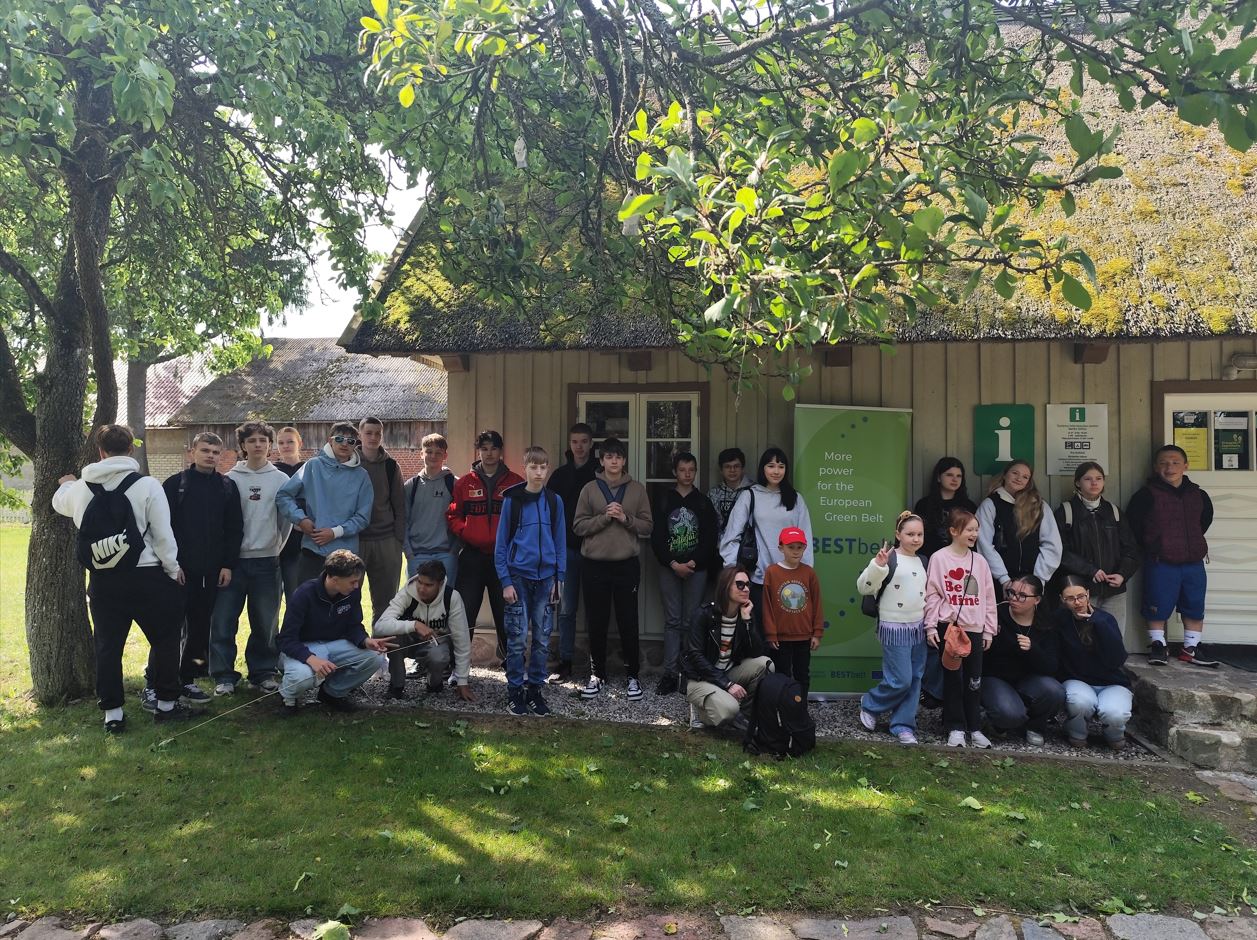
- Education: environmental education activities for students and schoolchildren on ecotourism and responsible behaviour in nature were organized.
- Ecotourism routes: sustainable travel routes that redirected visitors from mass tourism hotspots were created and promoted.
- Awareness campaigns: online campaigns that increased public knowledge and encouraged responsible travel on the Lithuanian Green Belt were implemented.
Achieved Results
Overall, the project achieved its goal by strengthening sustainable tourism and reducing pressure on Lithuania’s Green Belt. We trained 60+ tourism stakeholders, educated 20+ students and 30+ schoolchildren, and created 3 sustainable ecotourism routes.
Before the project, tourism practices were largely uncoordinated and awareness of environmental impacts was limited; after implementation, trained stakeholders applied more responsible approaches, young people demonstrated increased environmental awareness. These results strengthened long-term conservation of the European Green Belt.
Mitigating the negative impacts of mass tourism on ecosystems along the Lithuanian Green Belt
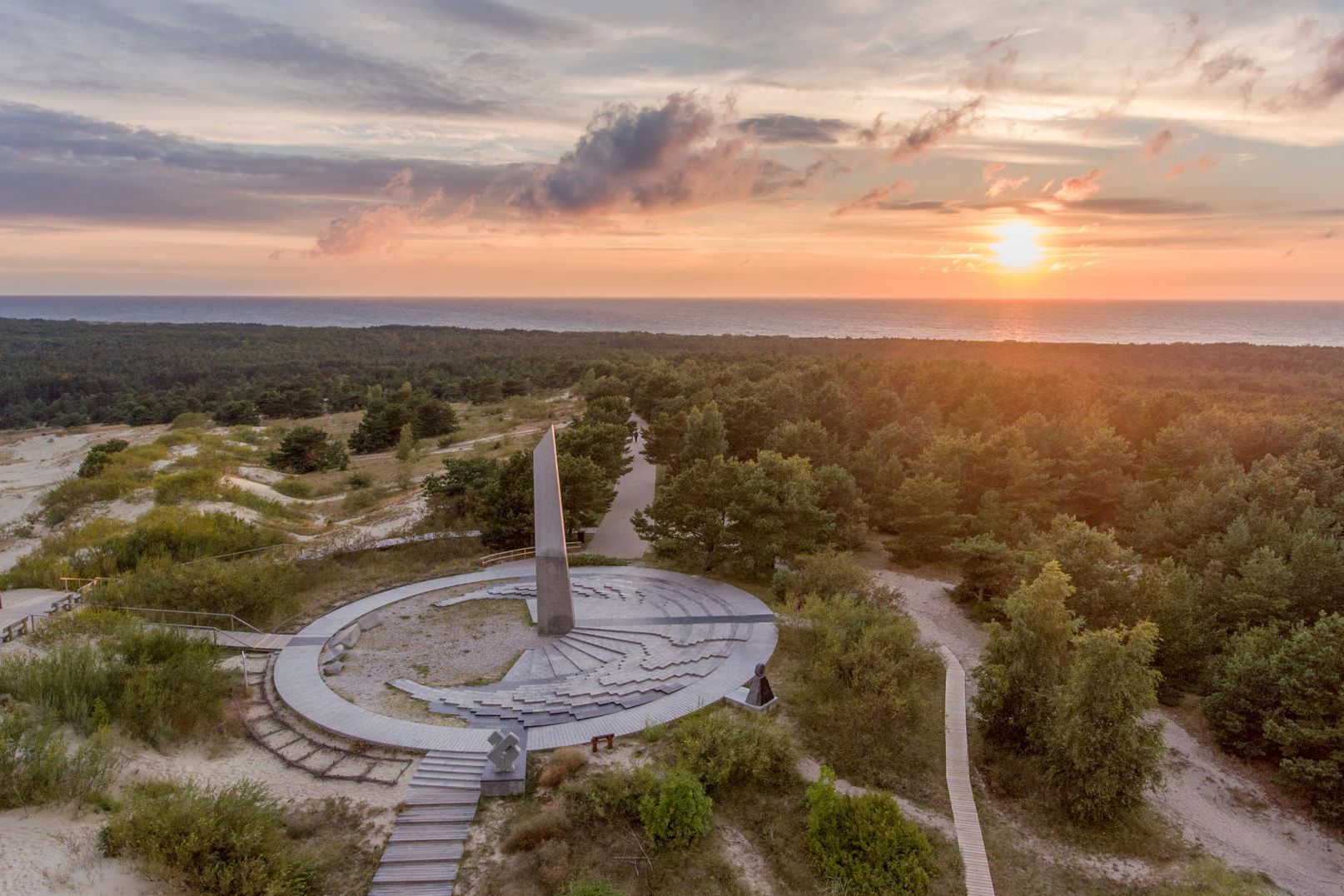
The project was implemented in Nida, Šilutė region, Klaipėda town and region, Palanga.
Nearest city: Klaipėda
Project lead: Lithuanian Countryside Tourism Association
K. Donelaičio str. 2-201, LT-44213
Kaunas, Lithuania
Grant: 39.802,52 €
Duration: 12 months
Contact person for the BESTbelt project: Kotryna Miliūnė info(at)atostogoskaime.lt
Website: https://countryside.lt/
Interactive Map
This map is currently hidden to protect your privacy. When you click the button below, the map will be loaded from Mapbox.
If you tick the checkbox, this selection will be saved in a cookie and the map will be displayed automatically the next time you visit the site.