
Another group of BESTbelt projects has been successfully completed
Several BESTbelt projects have recently been closed, producing a wide range of results that benefit the European Green Belt and the regions involved in the projects.
The topics covered by BESTbelt projects reflect the diversity of aspects that contribute to the European Green Belt, from landscapes, habitats and species to the local people who live in the region and depend on the European Green Belt. Each of the projects has its unique focus and approach to contribute to the protection of the European Green Belt in its specific area.
Below is an overview of a few projects that concluded at the end of 2025:
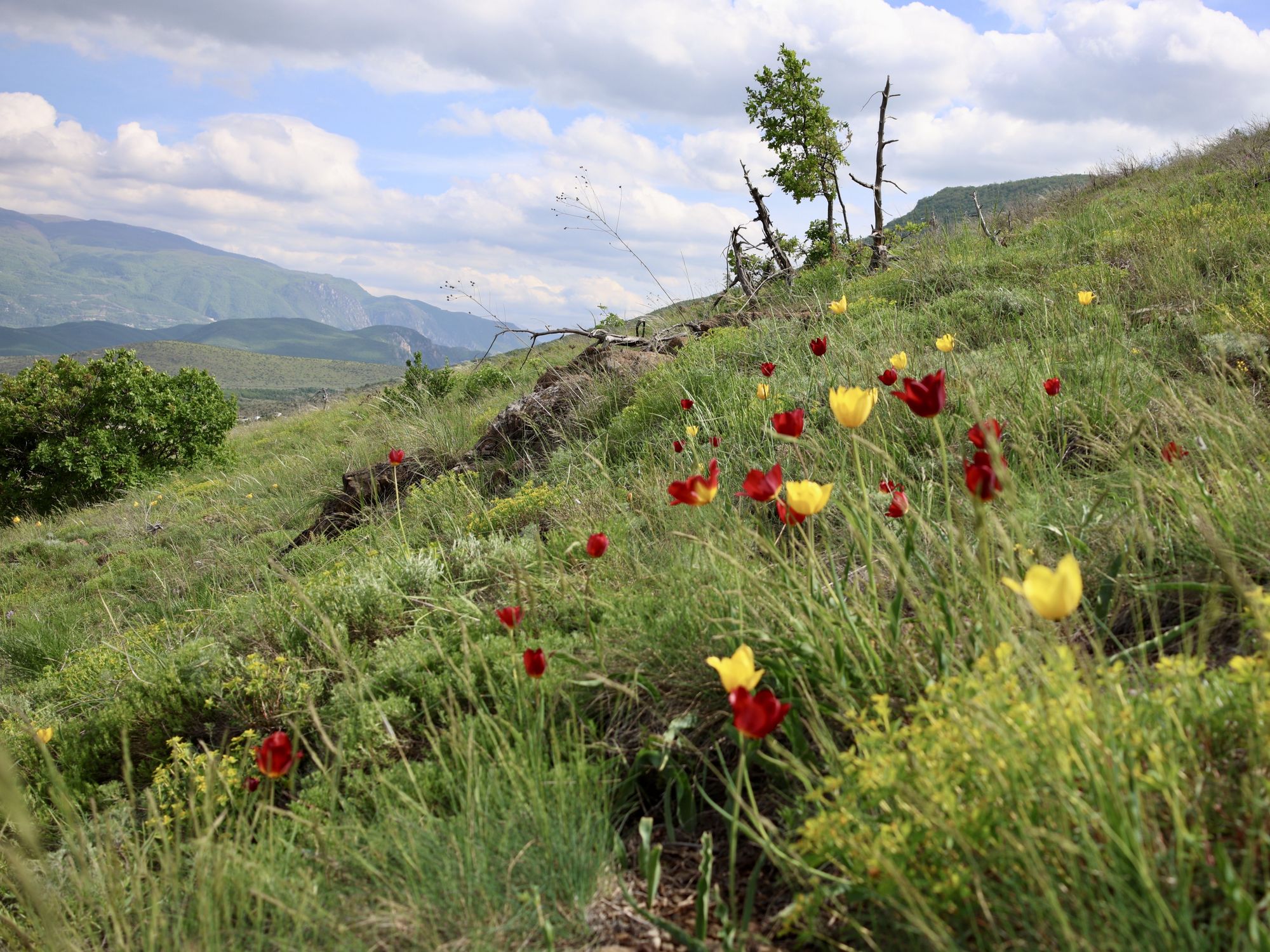
- The “Connectivity Through pastures” project aimed to enhance the sustainable use and the restoration of pastures in high-altitude in the Kukës and Dibër regions. It carried out assessments of the vegetation and the socio-economic conditions of local farmers and livestock herders, with the aim to understand and improve sustainable pasture management.
- The project “Rebuilding the Lower Bojana Basin and Ulcinj Ecosystem Complex BESTbelt heritage” aimed to protect and restore the fragile forests, wetlands, and meadows of the Lower Bojana Basin and Ulcinj ecosystem in Montenegro. It conducted ecological monitoring, reforestation and restoration activities, and engaged local communities, schools, and stakeholders to raise awareness and strengthen long-term stewardship of the area’s biodiversity.
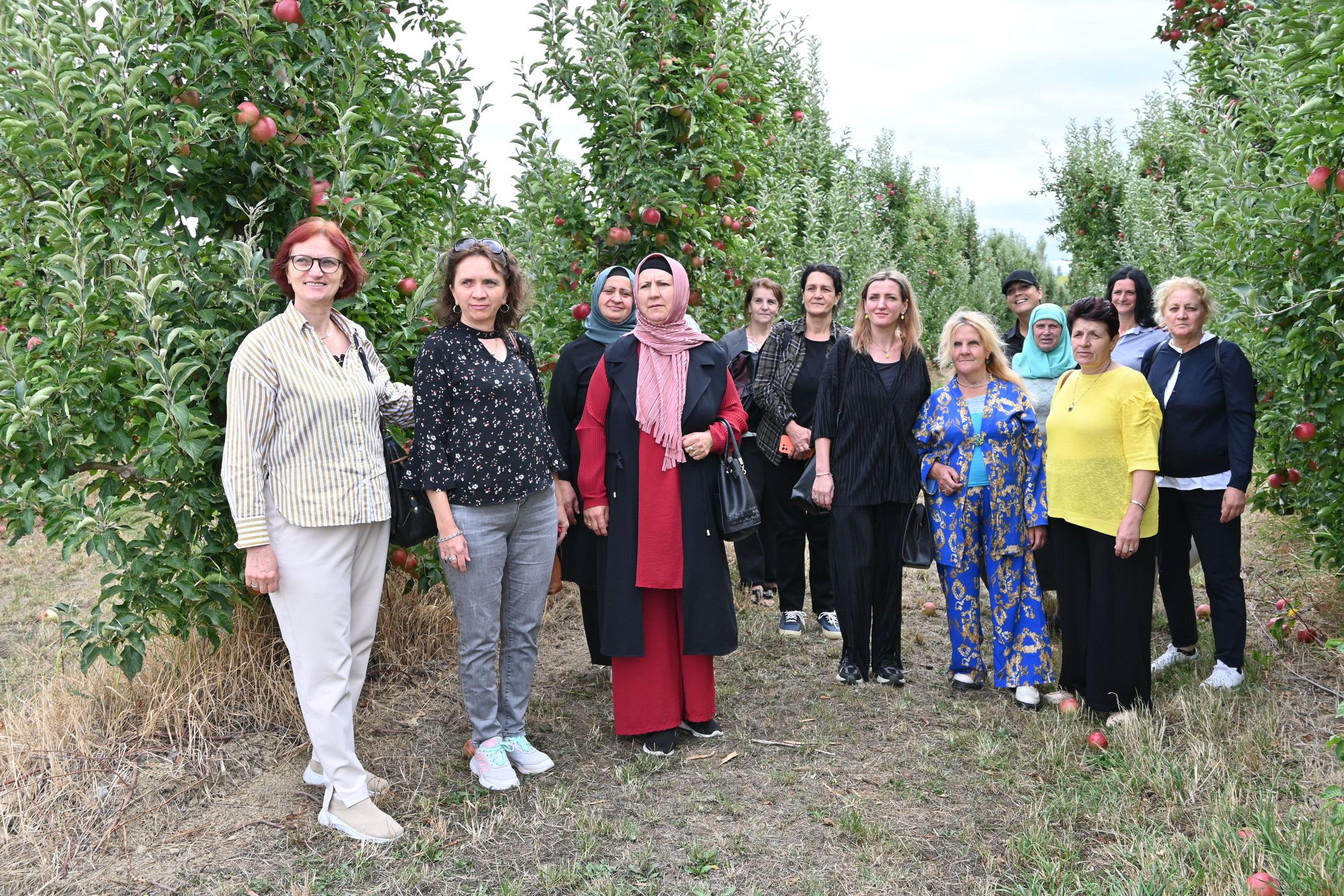
- The project “Empowering rural women through creating small sustainable businesses” supported rural women in the Debar and Centar Zupa region of North Macedonia by training and mentoring 10 women to launch their own sustainable, traditional-product-based micro-businesses and connect them with local tourism facilities to help enrich the regional economy and reduce rural-to-urban migration.
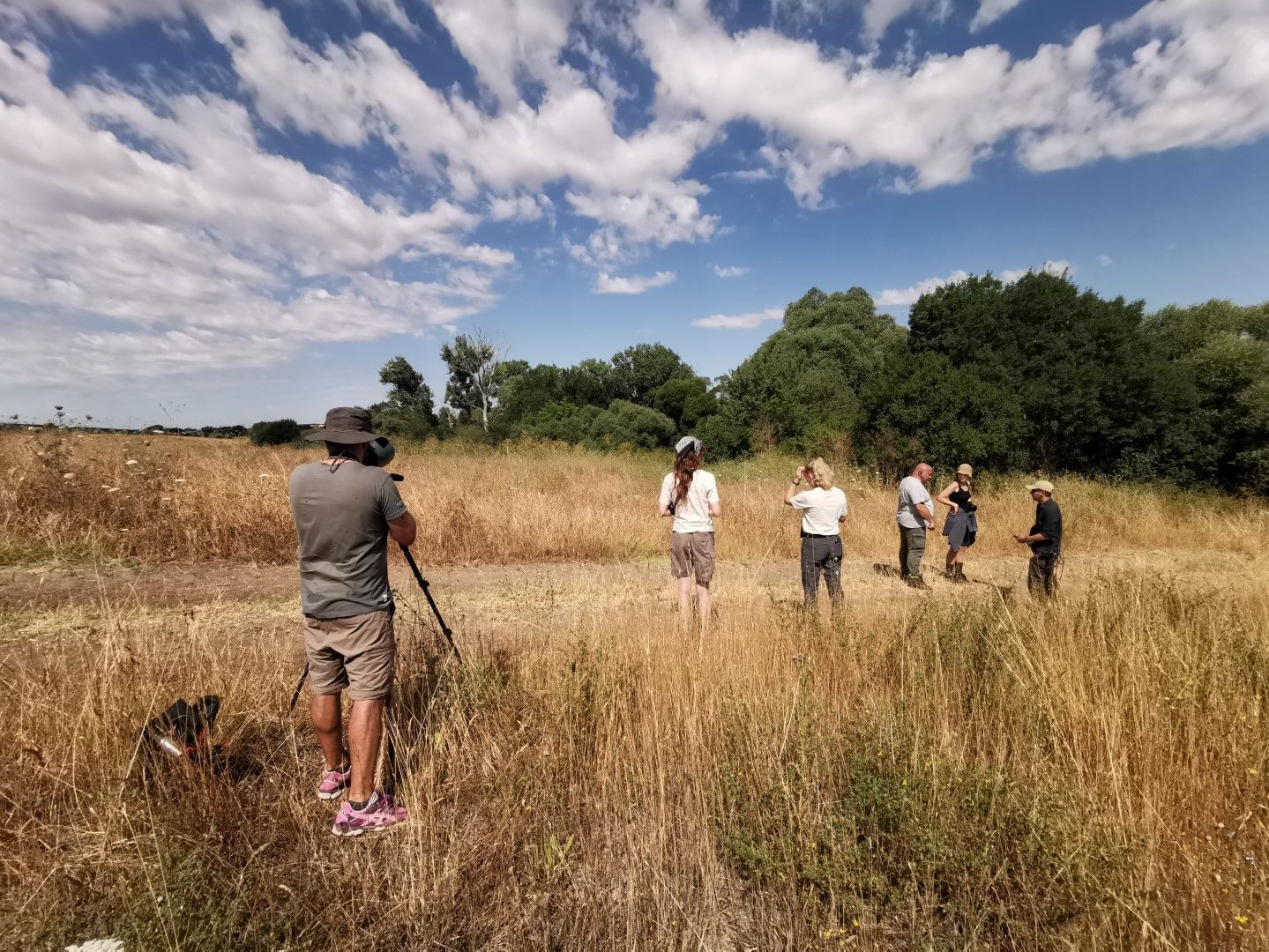
- The project “BirdsBELT” aimed to protect key biodiverse habitats in the transboundary Balkan Green Belt region of Bulgaria and Türkiye by implementing conservation actions for rare raptor species like the Lesser Kestrel and Eastern Imperial Eagle, including habitat improvement, bird tracking, nest site enhancement and capacity-building for partners and volunteers.
Take a look at the projects to find out what challenges the teams faced in their project regions and what results they achieved.
Stay tuned for more information about future projects coming to an end soon!